
Tamil Nadu: Pharmacy Strike — Over 40,000 Medical Stores Closed
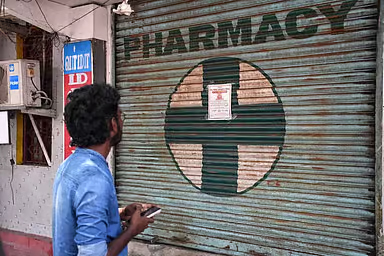
Tamil Nadu: On Wednesday, Tamil Nadu witnessed a significant impact on pharmacies as part of a nationwide strike, with over 40,000 medical stores across the state remaining closed. This strike was organized by the Chemists’ Association, demanding a ban on the online sale of medicines.
The strike’s impact was most pronounced in the Chennai and Puducherry regions, where more than a thousand pharmacies remained shut. Normal life in several key areas was also disrupted as the availability of essential medicines became limited.
However, during the strike, some major private pharmacy chains continued to operate as usual. Pharmacy stores such as Apollo and MedPlus maintained their services, ensuring that medicines remained available to customers. Additionally, government-run facilities—including Chief Minister’s Pharmacies, Cooperative Pharmacies, and Pradhan Mantri Jan Aushadhi Kendras—remained open, providing some relief to the public.
The Chemists’ Association cited the demand for a ban on online medicine sales as the primary reason for the strike. The association alleges that pain relievers and sleeping pills are being made easily available on online platforms without a doctor’s prescription—a practice that violates existing regulations.
The pharmaceutical traders further alleged that, due to online sales, substandard and counterfeit versions of life-saving drugs are entering the market, thereby posing a grave threat to patient safety. They argue that strict controls must be imposed on such sales systems to ensure the quality and safety of medicines.
As a result of the strike, patients and the general public in several areas faced difficulties in procuring medicines. Those requiring regular medication were particularly affected.
The Chemists’ Association has warned that if their demands are not addressed promptly, they may further intensify their agitation. Meanwhile, the administration is closely monitoring the situation and is making efforts to ensure the smooth functioning of essential services.
This strike has once again intensified the debate surrounding online medicine sales and their regulation, bringing issues such as safety, transparency, and public interest to the forefront.