
Stubble burning reduced by 90%, yet Delhi’s air is still a toxic cocktail
Environment minister Kirti Vardhan Singh stated, “Air pollution is a collective result of high levels of anthropogenic activity across multiple sectors.” It was a plain admission, but one that reframed the pollution debate, especially for Delhi-NCR. Vehicular emissions, industrial discharge, construction and demolition dust, road dust, biomass burning, and municipal solid waste burning now sit together in what the government described as a toxic cocktail. Weather, too, plays its part. During winter, lower temperatures, reduced mixing heights, temperature inversion, and stagnant winds trap pollutants close to the ground, allowing these to accumulate across the region.
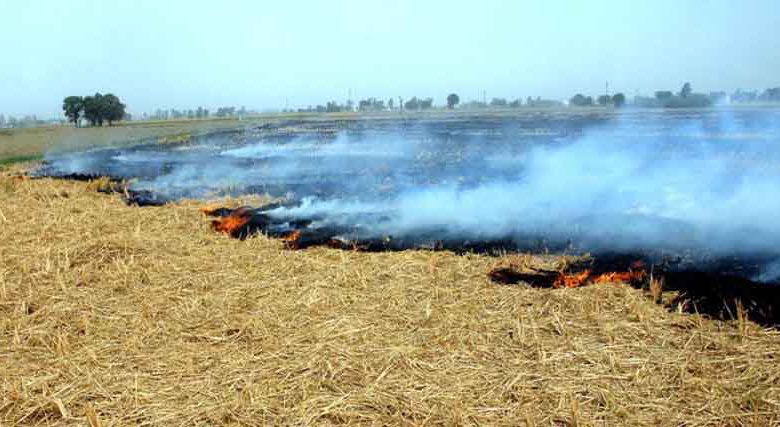
The numbers on stubble burning suggest a success story, at least in isolation. Punjab and Haryana together recorded a 90 per cent reduction in fire incidents during the 2025 paddy harvesting season compared to 2022. The government acknowledged that stubble burning is “episodic but significant.” But it stopped short of calling the problem solved. The implication was harder to ignore. Even with 90% reduction in stubble burning cases, the air remains toxic.
Behind this shift lies a sustained push on crop residue management. Since 2018-19, Rs 4,233.84 crore has been released under a Central scheme. Over 3.53 lakh machines have been distributed, and more than 43,535 custom hiring centres set up across several states. Small and marginal farmers have been allowed to access these machines rent-free under a government direction. Yet the question lingers quietly. Whether the benefits are reaching those who burn out of compulsion remains uncertain.The minister’s response then moved to roads. From November 1, 2025, the entry of BS-3 and older commercial goods vehicles into Delhi has been banned. From November 2026, only CNG, electric, or BS-VI diesel buses will be allowed. Fleet operators, aggregators, and delivery services have already been barred from adding new petrol or diesel vehicles from January 1, 2026. At present, 5,340 CNG and electric buses are running in Delhi, including 3,535 electric ones. More are planned under the PM e-DRIVE scheme.
Industry and construction, long seen as difficult sectors to regulate, are now under tighter scrutiny. Of the 240 industrial areas in Delhi-NCR, 224 are connected to piped natural gas. Red-category industries are being monitored through Online Continuous Emission Monitoring Systems. Construction sites above 500 square metres must now register, install pollution monitors, conduct fortnightly audits, and allow remote access.
The enforcement framework has also been strengthened. The graded response action plan was revised in November 2025, allowing restrictions to be triggered even before pollution levels breach thresholds, based on forecasts. An Enforcement Task Force, supported by 40 flying squads, now carries out surprise inspections across the NCR.
Yet the government’s own timeline hints at the scale of the challenge. Between August 2025 and February 2026, 14 high-level review meetings were held under the central environment minister. The frequency suggests urgency. It also reflects a reality that remains unchanged on the ground.
The parliamentary reply reveals that farm fires may have reduced, but the burden of pollution has shifted and spread. The air over Delhi is no longer just a seasonal story. It is a year-round accumulation, shaped as much by daily activity as by winter smoke.