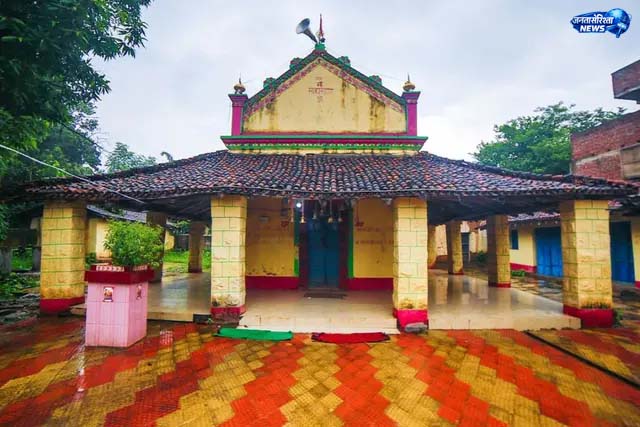
Jharkhand: The Hapamuni Mahamaya Temple, located in the Ghaghra block of Gumla district, is considered an ancient and mysterious Shakti Sthal. This temple is said to be approximately 1,100 years old and is considered an important religious heritage from the Naga dynasty. Located near the Lohardaga road, this temple is nestled amidst dense greenery and a serene atmosphere, attracting a large number of devotees every year. Devotees offer their faith and wishes at the feet of Goddess Mahamaya and experience spiritual peace. According to history, this temple was built in 908 AD by the Naga dynasty ruler Gajghant Rai. Later, in 1391 AD, Raja Shivdas, son of Raja Mohan Rai, installed an idol of Lord Vishnu within the temple complex. Located approximately 35 kilometers from Gumla headquarters, the temple is considered an important part of Jharkhand’s ancient religious and cultural identity. The traditions and beliefs associated with the Hapamuni Temple make it even more special. Following Ram Navami, Manda Puja is held here, accompanied by a grand fair. During this, devotees demonstrate their faith by walking barefoot on burning embers. This tradition is considered a symbol of faith and belief throughout the region. The most mysterious belief of this temple is associated with the idol of Maa Mahamaya. Locals believe that the idol is always covered, and anyone who looks directly at it will lose their sight. For this reason, the temple priests also wear a black bandage over their eyes when changing the idol’s clothes. Although differing opinions have emerged from time to time regarding this belief, the faith of the devotees remains strong. The temple’s history is also believed to be linked to the Larka movement. According to legend, during one incident, the village was attacked by outsiders, resulting in the death of many people. Following this, a warrior named Radho Ram, inspired by Maa Mahamaya, single-handedly confronted the invaders. According to legend, during the battle, they were warned not to look back, but the moment they did, their heads were severed. Even today, the shrines of Radho Ram and Barju Ram remain within the temple complex, where devotees pay homage with reverence. The temple structure is also made of traditional tiles, and the complex houses idols of various deities. It is also considered a Tantric power site, where meditation and worship hold special significance. Devotees and tourists from far and wide visit the site from time to time to experience its spiritual energy. The Hapamuni Mahamaya Temple is not just a religious site, but an important symbol of Jharkhand’s cultural, historical, and spiritual heritage. Its antiquity, folklore, and mystical beliefs make it a unique place where faith and tradition remain vibrant even today.
The ancient Hapamuni temple in Jharkhand