
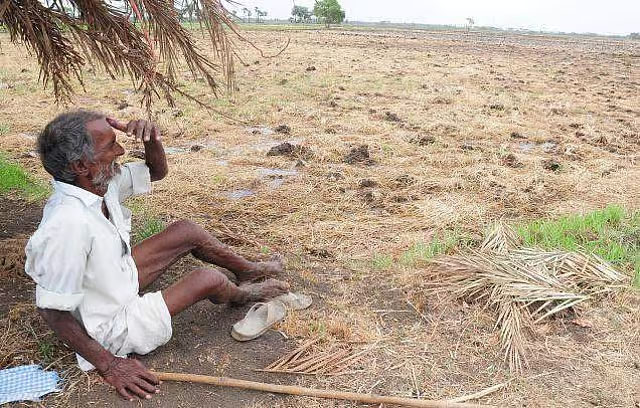
Tamil Nadu: Concerns have been raised regarding potential drought conditions in several states across the country due to the anticipated impact of El Niño. In light of this, the central government has advised farmers—as a precautionary measure—to cultivate short-duration crops so that agricultural output can be safeguarded to some extent even if rainfall is deficient.
El Niño is a natural weather phenomenon characterized by surface water temperatures in the central and eastern Pacific Ocean rising above normal levels. This shift affects global weather systems, leading to imbalances in rainfall patterns across various regions; while some areas experience excessive rainfall, others may face prolonged drought-like conditions.
Meteorological experts predict that the southwest monsoon in India could be below the long-period average this year. A deficit in the monsoon is likely to directly impact the agricultural sector, given that a large portion of the country’s population relies on farming.
Agricultural activities in India are primarily categorized into three cropping seasons: Kharif, Rabi, and summer crops. According to the Union Ministry of Agriculture and Farmers Welfare, the Kharif season spans June to September, the Rabi season runs from October to January, and the summer season lasts from February to May. Crop production plans are formulated based on these seasons.
The government has also noted that crop duration is determined by rainfall conditions. These categories include long-duration crops (approximately 6 months), medium-duration crops (approximately 4 months), and short-duration crops (approximately 2 months). Farmers are being advised to focus on short-duration crops in the event of low rainfall to minimize potential losses.
Given the potential impact of El Niño, it is estimated that 226 districts across approximately 27 states—including Kerala, Tamil Nadu, Karnataka, and Andhra Pradesh—may receive below-normal rainfall this year. There are also concerns regarding the possible emergence of drought-like conditions in these regions. Twelve districts in Tamil Nadu have been identified as particularly vulnerable to the impact of rainfall deficiency. These areas are likely to face a direct impact on agricultural production, potentially affecting farmers’ incomes and cropping cycles.
The Ministry of Agriculture has already alerted the states and is emphasizing the adoption of alternative farming models. Farmers are being advised to select crops that require less water and have shorter growing periods.
Simultaneously, preparations are underway to ensure the availability of seeds, irrigation facilities, and other agricultural resources. State governments have been instructed to monitor the situation at the district level and provide timely information to farmers.
Experts believe that El Niño could significantly impact the agricultural economy. A weak monsoon could lead to a decline in the production of paddy, maize, and other Kharif crops; consequently, adjusting crop planning is considered essential for farmers.
The government aims to protect farmers from losses during potential drought conditions and maintain stability in agricultural production. To this end, emphasis is being placed on water conservation, alternative crops, and technical support.
Overall, in anticipation of El Niño’s potential impact, preparations to modify agricultural policies and crop planning have begun in various parts of the country to safeguard food security and farmers’ livelihoods, even in the event of scanty rainfall.


