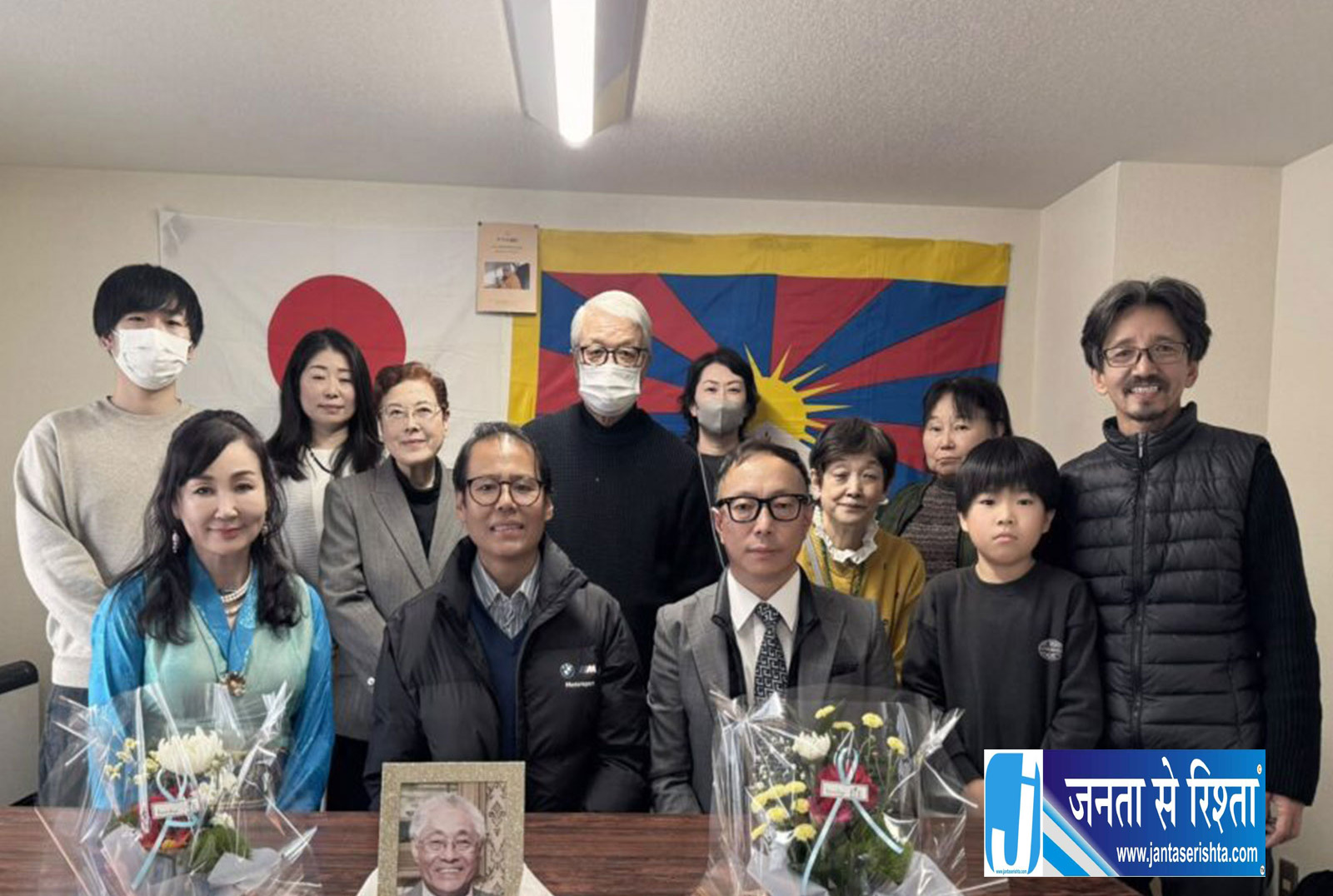
Tokyo. Lobsang Chodak, representative of Tibetan affairs in Japan and East Asia, has expressed serious concerns about China’s cultural assimilation policy. He has stressed the need to preserve the Tibetan language, religious traditions, cultural heritage and the unique identity of the community. They allege that due to China’s current policies, the Tibetan community is facing difficulties in maintaining its traditional culture and religious identity. He has also urged Japan to support the religious rights of the Tibetan community and the succession process of the Dalai Lama. According to the report of Japanese news medium ‘Japan Forward’ published on Tuesday, 24 November 2026, Lobsang Chodak discussed the current conditions of Tibet and issues related to its cultural identity in Shinjuku, Tokyo. He stressed the need for international cooperation in protecting the religious freedom and cultural rights of the Tibetan community. The Tibetan representative expressed concern that China’s assimilation policies were affecting the Tibetan language and traditional education system. He says that the new generation should get ample opportunity to remain connected to their mother tongue, culture and religious traditions. Its language and education system play an important role in maintaining the cultural identity of any community.
Concern has also been expressed at the international level regarding the system of residential schools in Tibet. Experts claim that more than one million Tibetan children are placed in residential schools where Chinese language and culture are given priority. Human rights organizations say that this system can affect children’s connection with their mother tongue and family traditions. Lobsang Chodak has also mentioned the historical religious and cultural relations between Japan and Tibet. Japan and Tibet have long had ties to Buddhism. The Tibetan Representative Office is working towards promoting friendship, cultural exchange and mutual cooperation between the two communities. The Central Tibetan Administration supports the middle path policy of achieving genuine autonomy for Tibet through dialogue with China. Under this policy, emphasis is laid on the preservation of the language, culture, religious traditions and unique identity of the Tibetan community. China adopted the Law on Promotion of Ethnic Unity and Progress in March 2026. Various Tibetan organizations and exiled Tibetan leaders have expressed concern about this law. They allege that due to its provisions the linguistic and cultural freedom of other minority communities including Tibet may be affected.
Earlier, Penpa Tsering, the elected political head of the Central Tibetan Administration, had also raised questions on China’s policies during his visit to America. He had alleged that giving more priority to Mandarin language in the education system of Tibetan children could weaken their cultural identity. He also expressed concern about the prospects of formal dialogue with China. Members of the Tibetan community living in Japan have also opposed China’s new ethnic unity law. In July 2026, a demonstration was held outside the Chinese Embassy in Tokyo. The protesters demanded the protection of Tibetan language, religion and cultural identity. Representatives of various human rights organizations had also expressed their concerns on this issue. Apart from this, in June 2026, 151 Tibetan organizations had sent an open letter to the foreign ministers of Japan, India, America, Britain and other countries. Expressing concern over China’s new law, the organizations had urged the international community to take steps to protect the cultural and religious rights of the Tibetan people.
The Dalai Lama’s succession process also remains a significant point of contention between China and the Tibetan community. Tibetan representatives say the process of selecting the next Dalai Lama should be consistent with religious traditions and free from political interference. At the same time, China has been claiming its administrative and legal rights over this process. United Nations human rights experts have also raised concerns related to the preservation of Tibetan culture earlier. Experts have raised questions about the impact of the alleged restrictions on religious, educational and linguistic institutions. He says that the protection of cultural rights and religious freedom is an important part of international human rights principles. At the same time, China has been describing its ethnic policies as promoting national unity, social coordination and development. China’s specific response to the Tibetan representative’s latest statement has not been confirmed. Currently, the issues raised by the Tibetan representative in Japan have brought forward international discussion regarding Tibet’s cultural identity, religious freedom and linguistic rights. Tibetan organizations are attempting to garner support for the preservation of their cultural heritage through dialogue with various countries.
Questions raised on China’s policies regarding protection of Tibetan language and identity