
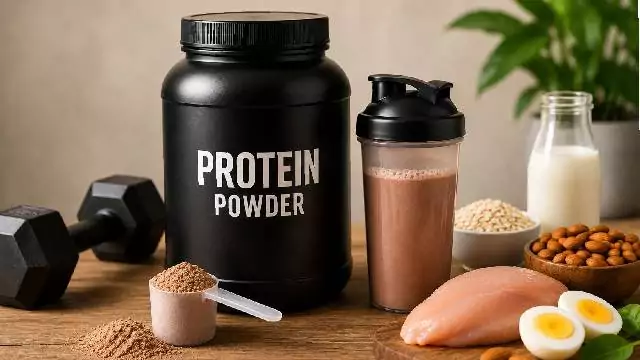
Protein powder has become one of the most popular fitness products today. From gym-goers and athletes to teenagers and office workers, many people are now adding protein shakes to their daily routine in hopes of building muscle, losing weight, or improving fitness.
Health experts say protein is an essential nutrient that helps repair muscles, support immunity, and maintain overall body strength. Protein powders are mainly used when people are unable to meet their daily protein needs through normal food alone.
There are different types of protein powders available in the market, including whey protein, plant-based protein, soy protein, and casein protein. Whey protein remains one of the most commonly used options because it gets absorbed quickly by the body.
Experts explain that protein needs vary depending on age, body weight, and lifestyle. Children and teenagers usually require protein mainly for growth and development, while adults may need more if they exercise regularly or play sports.
Older adults are also often advised to maintain good protein intake to help preserve muscle strength with age.
For an average adult, experts generally recommend around 0.8 to 1 gram of protein per kilogram of body weight daily, though athletes and heavy gym users may require more under professional guidance.
While protein powder can be beneficial when used correctly, doctors warn against excessive consumption. Taking too much protein without proper exercise or hydration may lead to digestion problems, bloating, acne, or extra pressure on the kidneys in some cases.
Foods like eggs, milk, fish, lentils, nuts, paneer, and chicken are still considered natural and healthy sources of protein.
Another growing concern is the increasing use of protein supplements among teenagers without proper knowledge or medical advice. Experts say young people should avoid blindly following social media fitness trends and instead focus on balanced nutrition and safe fitness habits.
As fitness culture continues to grow online, health professionals say protein powder should be seen as a supplement — not a replacement for healthy eating.


