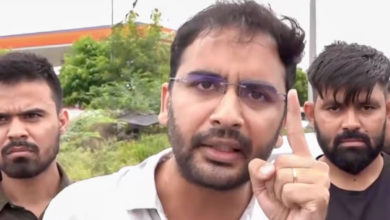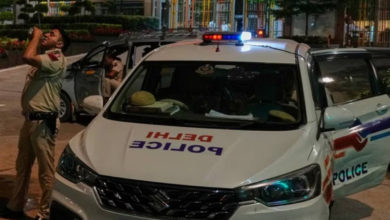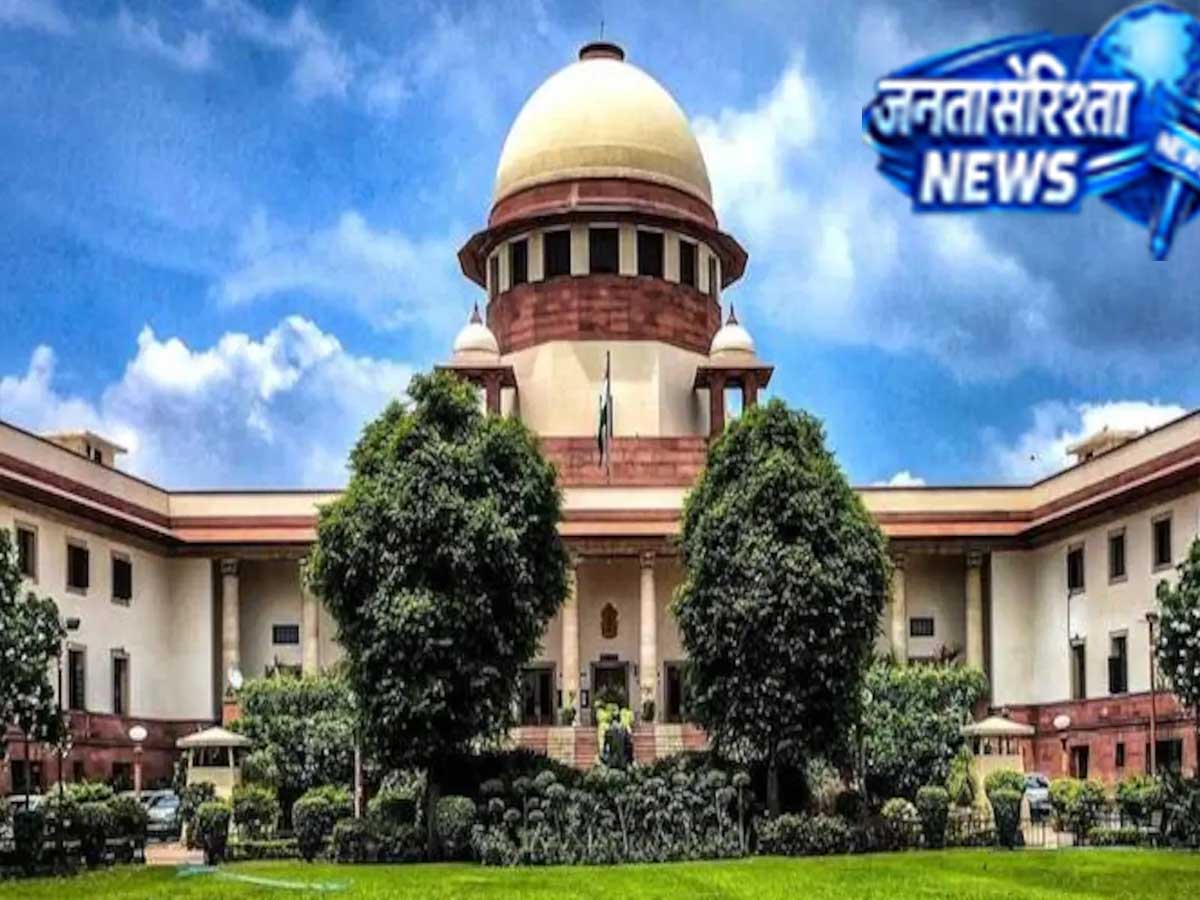
New Delhi: The Supreme Court is set to hear a matter today regarding the alleged use of force by the police during protests linked to the NEET examination. Petitions filed by students and other petitioners allege that the police employed excessive force during peaceful protests, resulting in injuries to several demonstrators and a violation of their fundamental rights.
Challenge to Police Action
In their petitions, the petitioners state that the police action during the protests was inconsistent with the right to peaceful protest guaranteed by the Constitution. They argue that force was used instead of addressing the students’ demands, necessitating a judicial review.
The petitions also seek an impartial inquiry into the alleged police conduct and the issuance of clear guidelines for handling such situations in the future.
Government and Police May Present Their Stand
During the hearing, the Central Government, the concerned state governments, and the police administration may present their respective positions before the court. The administration might argue that the measures taken were necessary to maintain law and order and protect public property.
After hearing arguments from both sides, the court may issue further directives or decide on the next course of action.
Students’ Eyes on the Supreme Court
Students across various parts of the country have staged protests regarding the NEET controversy and the examination system. Consequently, the hearing on this matter concerning police action is being closely watched by students, parents, and the education community.
Many student organizations believe that the court’s verdict could prove significant regarding future police procedures during protests and issues concerning students’ rights.
Today’s Hearing Crucial
According to legal experts, the Supreme Court hearing will examine whether the police action was commensurate with the circumstances and whether judicial intervention is required regarding the issues raised by the petitioners.