
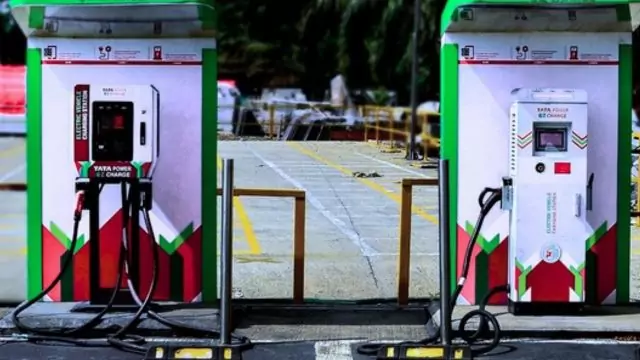
Odisha’s government has rolled out a new Standard Operating Procedure (SOP) to launch EV charging stations across every urban local body in the state. The Housing and Urban Development department put together this plan with the Commerce and Transport department to iron out the details. It’s all about making the process smoother, from picking sites to getting approvals, and about setting up solid, long-term revenue streams for local governments. This aligns with the Odisha Electric Vehicle Policy-2021 and recent official directives.
The implementation of this project will span across every tier of urban administration, explicitly targeting all municipal corporations, municipalities, and Notified Area Councils (NACs) across the state. To make these stations both useful and profitable, Odisha has officially declared EV charging stations a new source of income for civic bodies. Money and support for this rollout will flow from the Mukhyamantri Sahari Bikash Yojana (MSBY), which is the state’s main urban development effort.
Local bodies have specific orders: find government land or land they already control. The SOP spells out where to put these stations, putting government buildings first, followed by parking hubs, shopping centers, busy markets, and main transit roads. Before any site gets the green light, the local bodies need to check off six things: land availability, how easy the site is to reach, whether the electrical setup is sound, safety and security, parking options, and room for future growth.
Beyond mere land allocation, the civic bodies are officially authorized to execute comprehensive site development works to ensure the charging stations function smoothly. That means putting up protective parking sheds, setting up proper lighting, providing clean drinking water, and making sure basic sanitation is covered—plus anything else needed on the ground.
The physical installation, day-to-day operation, and long-term upkeep of the networks will be outsourced to specialized external parties. Local bodies will select these operators through a formal, competitive tender process, spelled out clearly in Odisha’s EV policy. Once contracted, these selected private agencies will bear full responsibility for managing the high-tech charging infrastructure, while being legally required to share a designated portion of their operational revenue directly with the respective local civic bodies.


