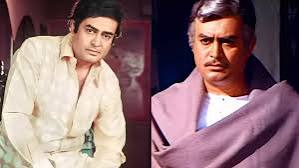
Mumbai: Born on July 9, 1938, in Surat, Gujarat, Harihar Jethalal Jariwala (Sanjeev Kumar) traces his acting roots to the stage of Mumbai’s IPTA and the Indian National Theatre. He is also fondly known as “Haribhai.”
At the age of 22, he played an elderly father in Arthur Miller’s play “All My Sons.” Subsequently, he played a 60-year-old father in the play “Damru,” directed by A.K. Hangal. When he entered films, on the advice of director Aspy Irani, he changed his name from “Sanjay Kumar” to “Sanjeev Kumar” to avoid clashing with the emerging actor Sanjay Khan.
After debuting in cinema with a small role in the 1960 film “Hum Hindustani,” Sanjeev Kumar challenged the established heroes of Hindi cinema with his spontaneity and talent.
It is said that a prime example of his acting humility was seen on the sets of the film “Andhi” (1975). In a scene, his mentor and senior artist, AK Hangal, was required to lift Sanjeev Kumar’s coat. Sanjeev Kumar objected, saying he would not allow his senior to do such a thing. Hangal then explained to him that in front of the camera, he was only accountable to his character, not to the hierarchy of real life.
Sanjeev Kumar gave Indian cinema an incredible variety of roles, from the silent anguish of a deaf-mute character to nine different emotions depicted in “Naya Din Nayi Raat” (1974). Thakur Baldev Singh in “Sholay” (1975) became a historical figure.
Sanjeev Kumar won the Filmfare Best Supporting Actor Award for “Shikar” in 1968. He gained national recognition with “Khilona” (1970). He received the National Film Award (Best Actor) for “Dastak” (1971) and “Koshish” (1973). He received the Filmfare Best Actor Award for “Andhi” (1975) and “Arjun Pandit” (1976). His dual comic role in “Angoor” (1982) was considered by critics to be his best comedy performance.
Sanjeev Kumar’s personal life remains an incomplete and painful story. It is said that during the filming of the film “Seeta Aur Geeta” (1972), he and Hema Malini narrowly escaped a trolley accident while filming the song “Hawa Ke Saath Saath” in Mahabaleshwar. This incident brought them closer. They wanted to get married, and his mother, Shantsharan, agreed. Sanjeev Kumar’s traditional demand that Hema quit working after marriage was rejected by Hema’s mother, leading to the breakup of the relationship. Subsequently, Sulakshana Pandit proposed marriage to him, but he declined, determined not to ruin anyone’s life due to a premonition of his own death.
Sanjeev Kumar passed away on November 6, 1985. To commemorate his legacy, the Sanjeev Kumar Auditorium was built in his hometown of Surat at a cost of ₹108 crore, and in 2013, the Government of India issued a postage stamp in his honor.