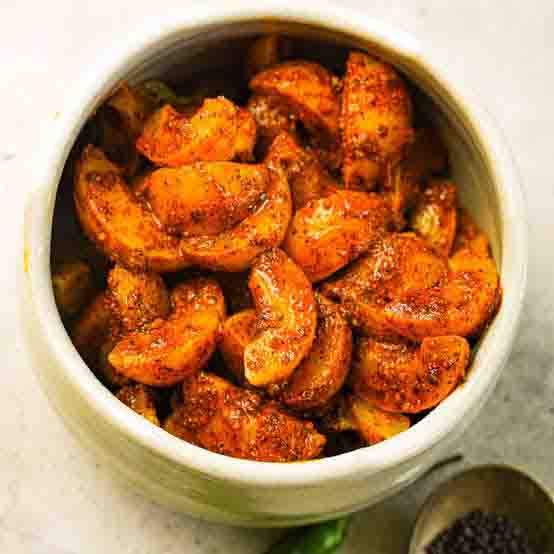
Lifestyle: With the arrival of the winter season, fresh Indian gooseberries (amla) begin to appear in the markets. Amla is considered beneficial for health, in addition to being flavorful. It is rich in Vitamin C, fiber, and antioxidants. In many households, it is commonly consumed in the form of murabba (preserved amla), chutney, candy, or pickles. However, if you are tired of the same old ways of eating amla, why not try making a tangy and spicy thecha? Its sour, pungent, and spicy profile will elevate the taste of any meal. It can be served alongside roti, paratha, dal-chawal (lentils and rice), or khichdi.
Thecha is a popular traditional dish from Maharashtra, typically prepared using green chilies, garlic, and peanuts. By adding amla to this mix, you can create a unique and delicious variation. The natural sourness of the amla combined with the heat of the chilies gives it a distinctive flavor. It is also quick and easy to prepare.
Ingredients for Amla Thecha
Fresh amla – 250 grams
Green chilies – 5 to 6
Garlic – 8 to 10 cloves
Roasted peanuts – 2 tablespoons
Mustard oil – 2 tablespoons
Cumin seeds – 1 teaspoon
Mustard seeds – ½ teaspoon
Fenugreek seeds (methi dana) – ¼ teaspoon
Turmeric powder – ½ teaspoon
Red chili powder – ½ teaspoon
Asafoetida (hing) – a pinch
Fresh coriander leaves – 2 tablespoons
Salt – to taste
Easy Method to Prepare Amla Thecha
To make amla thecha, start by thoroughly washing the fresh amla in clean water. Next, steam them or cook them in a small amount of water until they become soft. Once the amla have softened, let them cool, then remove and discard the seeds. Do not overcook the amla (Indian gooseberry), as it may spoil the texture of the thecha (chutney/relish).
Heat mustard oil in a pan. Once the oil is hot, reduce the heat and add cumin seeds, mustard seeds, fenugreek seeds, and asafoetida (hing). Next, add the garlic cloves and green chilies, and sauté them lightly. Once the garlic turns light golden, turn off the heat.
Transfer the sautéed green chilies, garlic, peanuts, and amla into a mortar and pestle, and crush them coarsely. You may also use a mixer, but ensure the mixture is not ground into a fine paste; the true essence of thecha lies in its coarse texture.
Add turmeric powder, red chili powder, salt, and the prepared tempering (tadka) to the mixture, and combine well. Finally, garnish with finely chopped fresh coriander leaves. Your tangy, spicy, and zesty amla thecha is ready.
Enhance the flavor with these pairings
Amla thecha pairs perfectly with hot bajra (pearl millet) rotis, makka (corn) rotis, jowar (sorghum) bhakris, or parathas. It also tastes excellent with dal-chawal (lentils and rice) or khichdi. If you have a simple vegetable dish prepared at home, serving a little amla thecha alongside can elevate the meal.
If you prefer less spice, you can reduce the number of green chilies. For a sweet-and-tangy flavor, you can also add a little jaggery.
Beneficial for immunity
Amla is rich in Vitamin C, which plays a crucial role in the proper functioning of the body’s immune system. It also contains antioxidants. However, cooking amla for too long can reduce its Vitamin C content; therefore, it is best to cook it only as much as necessary. Beneficial for the Digestive System
The fiber present in amla (Indian gooseberry) can help maintain a healthy digestive system. Meanwhile, the cumin and garlic used in the thecha (a traditional spicy condiment) enhance its flavor. However, those who suffer from acidity or a burning sensation in the stomach should consume thecha—especially if it is very spicy or contains many seasonings—only in limited quantities.
How to Properly Store Amla Thecha
Once prepared, allow the amla thecha to cool down completely. Afterward, transfer it into a clean, dry, airtight glass jar and store it in the refrigerator. Always use a clean, dry spoon to serve it.
Since it is made with fresh amla, garlic, and fresh coriander, it should not be stored for long periods like conventional pickles. It is best consumed within two to three days when kept refrigerated. Do not consume it if you notice any unusual changes in its smell, color, or texture.
During the winter, a zesty amla thecha can add a new dimension of flavor to your daily meals. Prepared quickly using easily accessible ingredients, this dish is an excellent choice for those who enjoy sour and spicy flavors.