
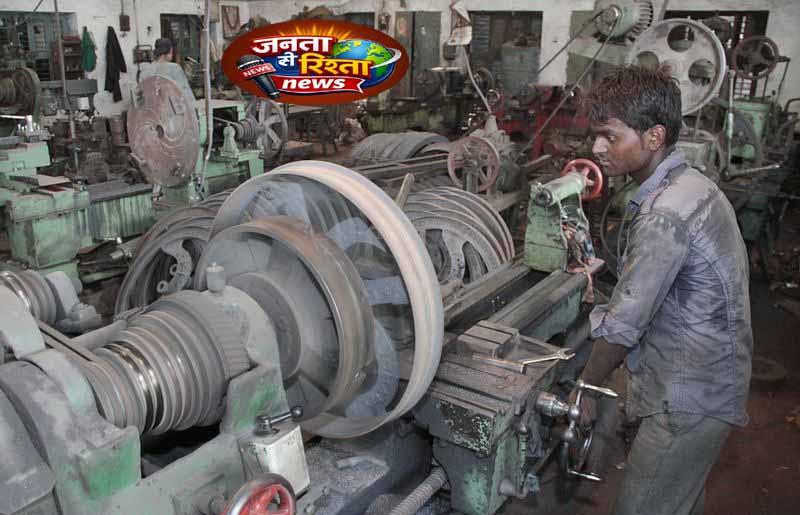
Punjab: Ludhiana, The impact of the ongoing Israel-Iran war in West Asia has now reached India’s trading centers, and Ludhiana’s exporters are being deeply affected by this global conflict. Several major exporting industries in the city have reported that uncertainty and tension in foreign markets have led to cancellations of orders, postponements of shipments, and a sudden increase in production costs. This situation has posed a serious economic challenge for traders. Ludhiana’s hosiery, textiles, engineering goods, and auto spare parts industries have begun to feel the impact of the war. Traders say that trade activities in their major customer countries—such as the UAE, Oman, Qatar, Saudi Arabia, Bahrain, and Iraq—have been affected, leading to cancellations of orders. Exporters also report that shipment delays and logistical constraints are severely impacting their business.
Businessmen report a significant increase in shipping costs. While freight charges previously averaged around US$400 per container, they have now reached nearly US$5,000. Additionally, goods stuck at ports, transportation delays, and rising prices are creating additional financial pressure for traders. Pankaj Sharma, president of the Ludhiana Exporters Association, stated that order cancellations and delayed payments are impacting cash flow. This has disrupted production plans and made it difficult for small businesses to operate. He appealed to the government to provide relief measures and support packages during this crisis.
Some exporters say shipping companies have changed their rules, are charging additional fees on containers, and are sometimes unloading goods at unplanned ports. This situation is forcing traders to face unexpected costs and logistical problems. Ludhiana traders warn that if this situation persists for a prolonged period, many units are at risk of closure. Exporters fear a decline in economic activity due to the reduced mobility of the industry. Many businessmen say that the global conflict has created instability in trade and could impact foreign trade relations in the future.
Meanwhile, local trade organizations and exporters have demanded immediate action from the government. They say that if timely relief and support are not provided, Ludhiana’s export industry could suffer significant economic losses. Traders also believe that the increased instability caused by the global conflict has affected exporters’ confidence and forced them to adopt new strategies. In short, Ludhiana’s exporters are deeply concerned by this conflict. Order cancellations, increased shipment costs, and logistical constraints are impacting business activities. Traders are hoping for assistance and relief from the government to maintain competitiveness in the global market and stabilize the industry. This situation is posing a serious challenge not only to Ludhiana, but also to the export sector of Punjab and India as a whole.


