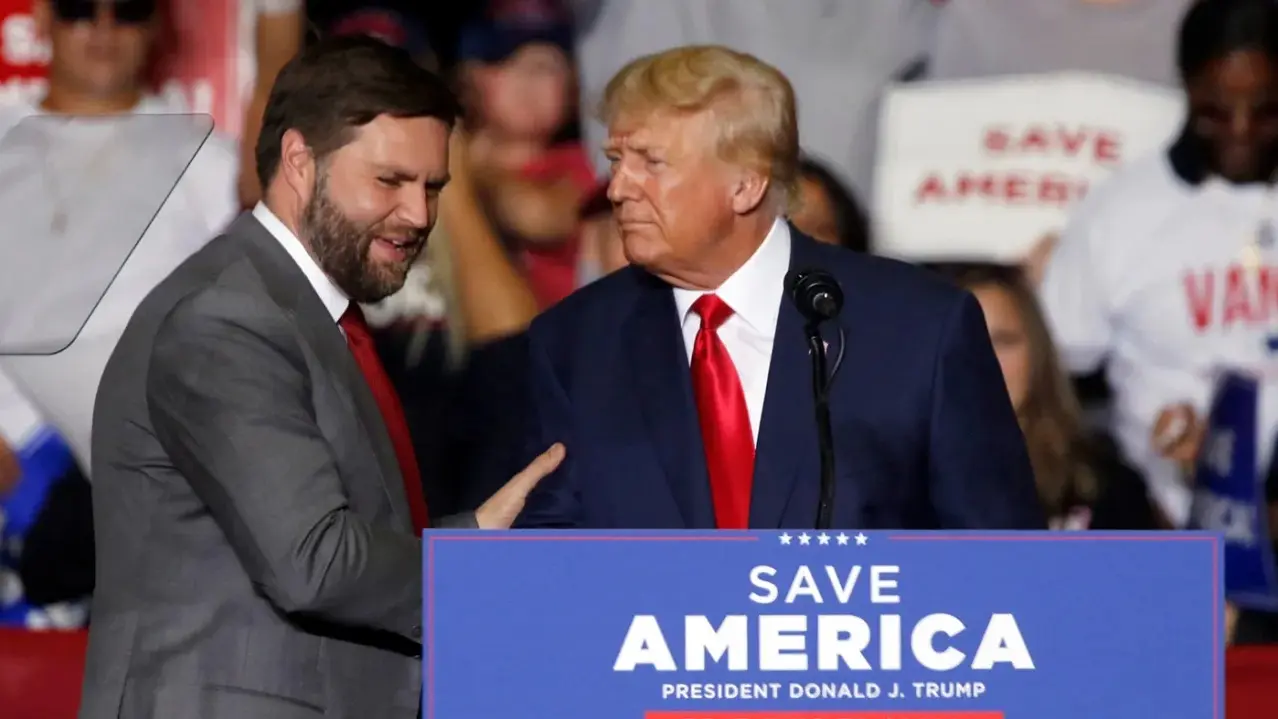
Tehran: In a significant diplomatic signal amid ongoing tensions, Iran has conveyed to the United States that it prefers engaging with Vice President JD Vance over other key figures in President Donald Trump’s negotiating team, according to a report by CNN.
Iranian officials have reportedly ruled out re-entering negotiations led by US Special Envoy Steve Witkoff and Trump’s son-in-law Jared Kushner, citing a “deficit of trust” following the collapse of earlier talks that preceded military action involving the US and Israel.
Sources indicate that Tehran views Vance as comparatively more pragmatic and inclined toward de-escalation. Unlike Witkoff, Kushner, and even Secretary of State Marco Rubio, Vance is perceived as someone more interested in bringing the conflict to a close rather than prolonging it through hardline positions.
This perception has positioned Vance as a potentially more acceptable interlocutor for Iran at a time when diplomatic trust remains fragile.
Trump’s Team Still Intact
Despite Iran’s preference, President Trump has made it clear that all senior figures in his administration remain part of the negotiation process. “JD is involved. Marco is involved. Jared Kushner is involved. Steve Witkoff is involved, and I am involved,” Trump said, asserting that negotiations are a collective effort under his leadership.
White House Press Secretary Karoline Leavitt reinforced this stance, stating that the final decision on negotiators rests solely with the President.
Backdrop of Conflict
Trump has claimed that the US has already “won the war,” asserting that Iran’s naval and air capabilities have been “completely decimated”-a claim that further complicates the diplomatic environment.
The breakdown of previous negotiations and subsequent military escalation have left both sides navigating a deeply mistrustful landscape.
Pakistan Offers to Mediate
Meanwhile, Pakistan has stepped forward, offering to mediate between Washington and Tehran. Prime Minister Shehbaz Sharif expressed Islamabad’s willingness to facilitate “meaningful and conclusive talks,” provided both sides agree.
Trump’s decision to share Sharif’s statement has added another layer of diplomatic intrigue, fuelling speculation about a broader, multi-country mediation effort.
The development underscores a shifting diplomatic dynamic, where personalities and perceptions of intent are becoming as critical as policy positions in shaping the future of US-Iran engagement. ANI Inputs