
Identifying fake ghee is now easy; check for purity from the comfort of your home.
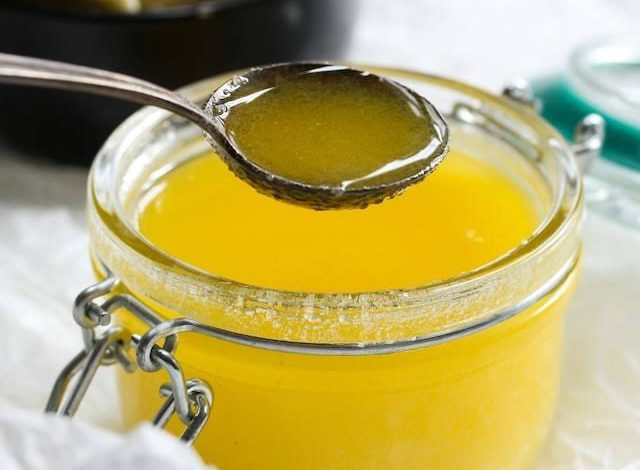
Real vs. Fake Ghee: Ghee is the soul of the food prepared in our homes. Whether it is smeared on piping-hot rotis or used to temper dal, a meal feels incomplete without it. While ghee is highly beneficial for our health, the production of fake and adulterated ghee has risen rapidly in the market. In the pursuit of higher profits, people are mixing substances like Dalda, vegetable oil, boiled potatoes, starch, and various hazardous chemicals into genuine ghee. Such adulterated ghee not only spoils the taste of the food but can also cause serious harm to our health if consumed over a long period. To ensure your well-being, this article explains the difference between real and fake ghee. By easily performing these tests at home, you can protect yourself and your family from the harmful effects of adulterated ghee.
The Major Difference Between Real and Fake Ghee
Understanding the difference between real and fake ghee isn’t rocket science; it simply requires a little attention. Genuine ghee is made from the cream of cow or buffalo milk using traditional, authentic methods. Its most distinctive feature is its subtle, appetizing aroma—one that makes your mouth water and stimulates your appetite the moment you smell it. Visually, it is pale yellow or white, and it feels grainy to the touch. In contrast, artificial flavors—essentially chemicals—are added to adulterated ghee to mimic its aroma. Since it contains ingredients like vegetable or palm oil, it feels excessively sticky or waxy when touched.
Test Ghee on Your Palm
This is the easiest and most immediate method to test for genuine ghee. Simply place a small amount of ghee on your palm. If the ghee is genuine, it will begin to melt immediately upon contact with your body heat and spread easily across your skin. However, if it has been adulterated with Vanaspati (like Dalda) or other harmful oils, it will remain solid on your palm or take a long time to melt.
Check by heating
You can also verify the purity of ghee while cooking in the kitchen. To do this, place a vessel or pan on the stove and add a spoonful of ghee. If the ghee melts instantly and turns dark brown, it is genuine. Conversely, if it takes a long time to melt and retains a pale yellow or white color, it is likely adulterated.
Detecting starch with iodine
Sometimes, boiled potatoes or starch are added to ghee to increase its weight and thickness. There is an excellent way to detect this. Take a small amount of melted ghee in a bowl and add two or three drops of iodine solution (easily available at any medical store). If the ghee turns blue upon adding the iodine, it indicates the presence of potato or starch. If the color remains unchanged, the ghee is pure.
Don’t compromise on your health
Pure ghee provides strength and abundant energy to the body, but these benefits are realized only when the ghee is unadulterated. Consuming adulterated ghee unknowingly can lead to health issues such as heart disease, high cholesterol, and digestive problems. Therefore, the next time you buy ghee from the market or use it at home, be sure to check its purity using these simple methods.