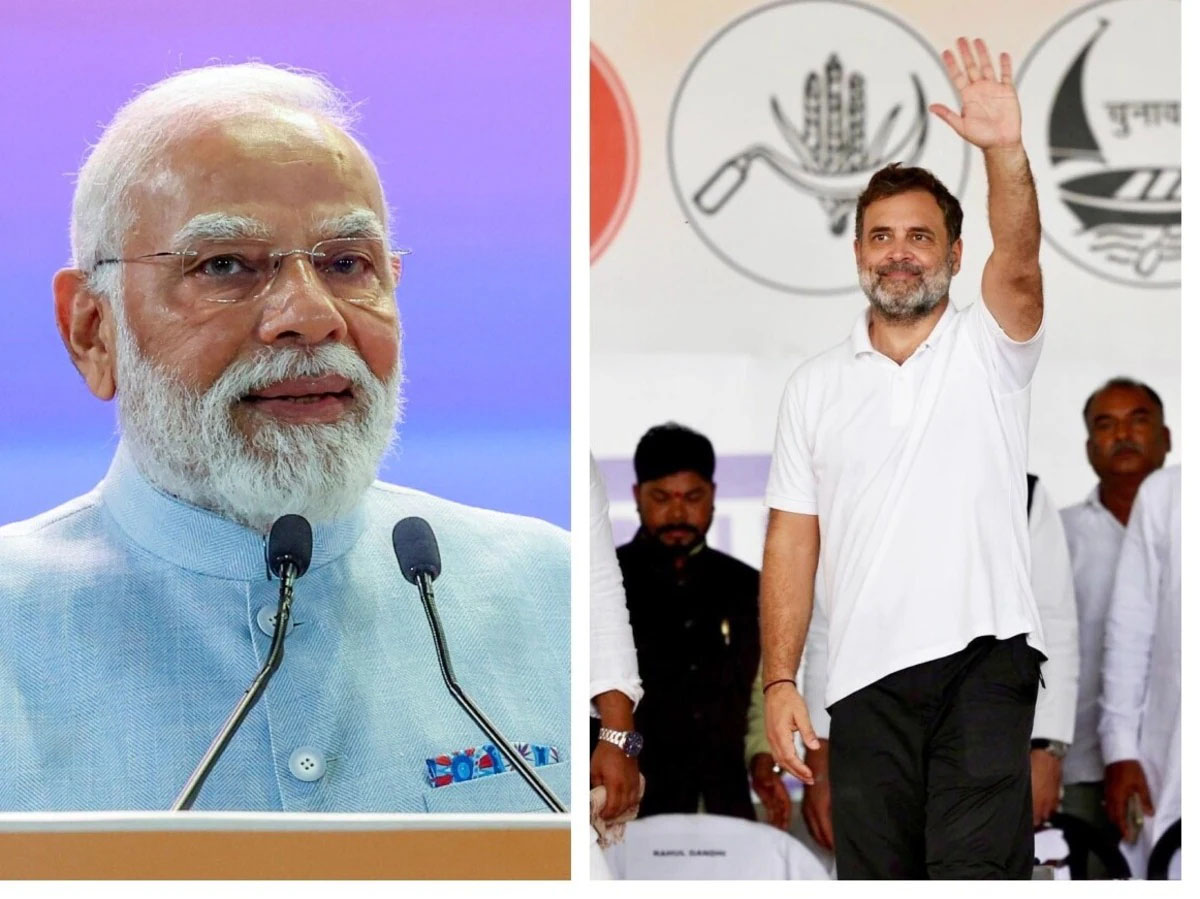
Dehradun. The controversy surrounding an alleged ‘purification’ havan (ritual fire ceremony) in Haldwani, Uttarakhand, appears to be escalating into a major political issue. The Congress party has begun targeting the Bharatiya Janata Party (BJP), linking the incident to an insult against the Dalit community. Meanwhile, the BJP is adopting an aggressive stance in response to the Congress’s allegations. With the 2027 assembly elections on the horizon, this dispute could trigger a new political tug-of-war over Dalit voters—not just in Uttarakhand, but also in the politics of Uttar Pradesh and Punjab.
Political analysts believe that Scheduled Caste voters hold significant electoral influence in Uttarakhand, Uttar Pradesh, and Punjab. Across these three states, a large number of assembly seats are reserved for the Scheduled Caste category; political estimates place this figure at around 156 seats. Consequently, neither the BJP nor the Congress can afford to suffer political setbacks regarding issues concerning this demographic.
The Congress is consistently framing the alleged purification havan in Haldwani as a matter of Dalit dignity. The party appears intent on preventing the incident from remaining merely a local dispute, with its leaders raising it as an issue of social dignity and equality. Through this issue, the party may attempt to strengthen its political foothold among Scheduled Caste voters.
On the other hand, the BJP has adopted an aggressive strategy rather than a defensive one regarding this issue. In countering the Congress’s allegations, the party is likely to question the Congress’s political history and its past policies concerning the Dalit community. These developments suggest that the Haldwani controversy could remain a major subject of political sparring between the two parties in the coming days.
In Uttarakhand’s political landscape, Scheduled Caste voters have the potential to influence election outcomes in numerous constituencies. Beyond the reserved seats, the Dalit vote plays a decisive role in many general (unreserved) seats as well. This is why both the BJP and the Congress have consistently organized political and social programs to retain the support of this community.
The influence of Dalit politics is even more extensive in Uttar Pradesh. Scheduled Caste voters have long been considered a potent electoral force in the state’s politics. Strategies regarding Dalit voters are crucial not only for the BJP and Congress but also for the Samajwadi Party and the Bahujan Samaj Party. Consequently, if a social dispute arising in Uttarakhand escalates into a major political issue, its impact could well be felt in the politics of neighboring Uttar Pradesh.
The Scheduled Caste population also holds significant electoral weight in Punjab, where Dalit voters influence a large number of assembly seats. Political parties have long employed various strategies to woo SC voters in the state. As the 2027 assembly elections approach, parties will likely handle issues related to social dignity with great caution.
The 2027 electoral contests in all three states will be pivotal for political parties. In Uttarakhand and Uttar Pradesh, the BJP will aim to consolidate its hold on power, while the Congress will strive to expand its political footprint. Although the political dynamics in Punjab differ, the role of Scheduled Caste voters will remain crucial there as well.
This is why the ‘Dalit factor’ has suddenly moved to the center of political discourse following the Haldwani dispute. The Congress is attempting to frame the issue around social justice and dignity, while the BJP appears to be devising a counter-strategy to prevent the Congress from reaping political capital from it.
While the elections are still some time away, political parties are already working to align social equations in their favor. If a dispute concerning any specific section of society remains in the public eye for an extended period, it can influence the political stance of voters. Such issues could play an increasingly significant role—ranging from candidate selection to campaigning—particularly in constituencies reserved for the Scheduled Caste category.
Political analysts note that the influence of Dalit voters cannot be fully gauged merely by looking at the number of reserved seats; there is a substantial number of SC voters in many general assembly constituencies as well. Therefore, this vote bank is vital for political parties well beyond the scope of reserved seats alone.
While the Congress seeks to position the Haldwani episode as a broader issue of Dalit dignity, the BJP also appears vigilant regarding its own Dalit support base. The exchange of rhetoric between the two parties is likely to intensify in the coming days. If the dispute—which originated at the local level—escalates into a national or inter-state political issue, its repercussions could be felt well beyond Uttarakhand.
Meanwhile, political accusations and counter-accusations continue regarding the entire sequence of events surrounding the alleged ‘purification’ havan and the claims made by various parties. In this context, it will be crucial to distinguish between the facts of the dispute and their political interpretations. For now, it is evident that political parties are viewing this matter through the lens of the 2027 electoral equations.
Given the political significance of the approximately 156 seats reserved for Scheduled Castes across Uttarakhand, Uttar Pradesh, and Punjab, neither the BJP nor the Congress would want to take any risks. The extent to which the dispute—which began in Haldwani—evolves into a major election issue will depend on the strategies adopted by the political parties and the response of the electorate.