
CHENNAI: Proposals invited for 1,000 MW Vellimalai hydroelectric project
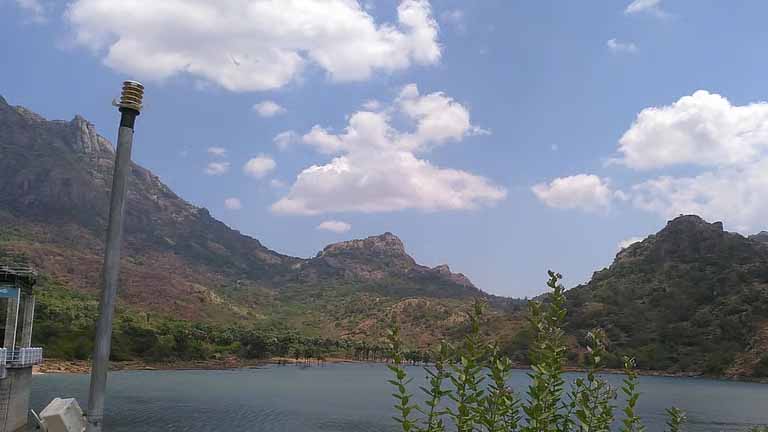
Chennai: In a first, the Tamil Nadu Green Energy Corporation Limited has issued a Request for Proposals (RPO) to select a developer to build the 1,000 MW/6,000 MWh Vellimalai Pumped Storage Hydroelectric Project in Kanyakumari under the Union Ministry of Power’s tariff-based competitive bidding guidelines. This is the first project to be developed under the public-private partnership model on a build-own-operate-transfer basis, as per Section 63 of the Electricity Act. The government agency has also applied for Terms of Reference (TRI) to the Union Ministry of Environment, Forest and Climate Change for environmental clearance. The Vellimalai project, planned as a closed-loop run-of-river system, aims to strengthen peak power management in the state and enable round-the-clock integration of renewable energy. The project will consist of four 250 MW fixed-speed units with a total estimated cost of ₹5,624 crore (approximately $1.5 million USD), excluding transmission infrastructure. Two new reservoirs will be constructed along the river. The proposed upper reservoir near Maruvattar Kannu village will have a total storage capacity of 4.39 million cubic meters, while the lower reservoir near Madattuvilai village, upstream of the existing Mambazhathuraiyar dam, will have a total storage capacity of 4.91 million cubic meters. The project is designed to pump approximately 3.94 million cubic meters of water into the upper reservoir every 6.94 hours during off-peak times. The stored water is planned to be used for power generation for six hours a day, with an estimated annual peak power generation of 2,080.55 million kWh.
As a closed-loop off-river project, both reservoirs will be artificially constructed and will not be on perennial rivers or streams. Water will circulate between the two reservoirs in a controlled cycle, with little dependence on natural flow. In contrast, open-loop pumped storage projects are connected to rivers or existing reservoirs and constantly interact with the natural water system, often resulting in greater environmental and hydrological impacts. The project is estimated to require approximately 159 hectares of land, including approximately 62 hectares of forest land. The upper reservoir will require approximately 28–29 hectares, while the lower reservoir will require 26 to 47 hectares, depending on the layout. Although the project does not involve rehabilitation and resettlement, it will require forest clearance. Since the upper reservoir falls within the eco-sensitive zone of the Kanyakumari Wildlife Sanctuary, wildlife clearance from the National Board for Wildlife will also be required.