
Chandigarh Debt burden raises GMADA’s concerns
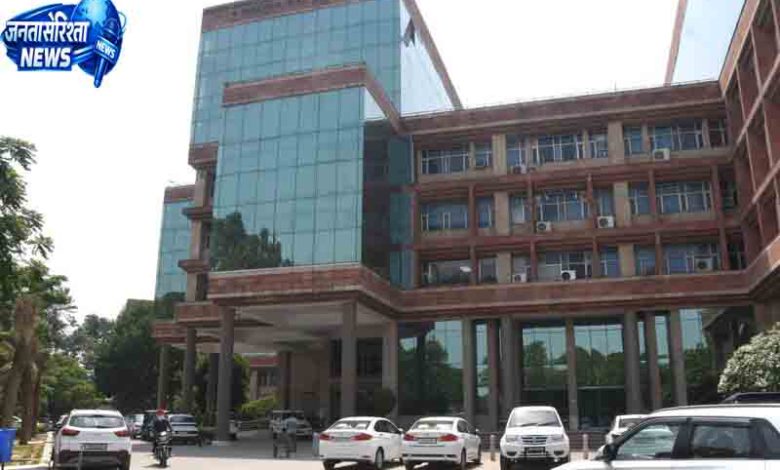
The Greater Mohali Area Development Authority (GMADA), already burdened with a debt of approximately ₹8,000 crore, plans to raise ₹15,000 crore from the market in its largest fundraising campaign ever.
The authority has issued a Request for Proposal (RFP) to appoint a merchant banker-cum-fund arranger and financial advisor to manage the borrowing program through bonds, debentures, or loans. The selected agency will formulate the fundraising strategy, liaise with investors, obtain credit ratings, secure approvals, and list the bonds. The funds must be raised within nine months of signing the contract, with ₹5,000 crore raised in the first three months after receiving an investment-grade rating, ₹5,000 crore in the next three months, and the remaining amount within a stipulated period.
The plan has raised concerns about repayment, as the borrowing could result in an annual interest burden of approximately ₹1,500 crore over the next 10-20 years.
Sources in the Housing and Urban Development Department said that GMADA has already contributed approximately ₹10,000 crore from its receipts to the state government.
However, a senior official said the new funds will be used to accelerate infrastructure projects and land acquisition. However, reports suggest that a significant portion may be used to finance welfare schemes ahead of the 2027 assembly elections. The state finance department has already recovered more than ₹8,000 crore from GMADA and other authorities under the Right to Fair Compensation and Transparency in Land Acquisition, Rehabilitation and Resettlement (RFCTLARR) Act, 2013.
Citing Section 10(3) of the Act, the state says development authorities must either develop equivalent cultivable land or deposit an amount equal to the value of the acquired land. The government claims that ₹94,443 crore has been spent on food security since the Act came into force.
More funds are expected to be sought for upcoming land acquisitions, which include approximately 11,000 acres in Mohali and New Chandigarh. Earlier this year, the Accountant General (Audit), Punjab, questioned the transfer of ₹6,400 crore from development authorities under the Act, stating that such funds should be kept in the public account for food security, rather than merged into the Consolidated Fund for general use.