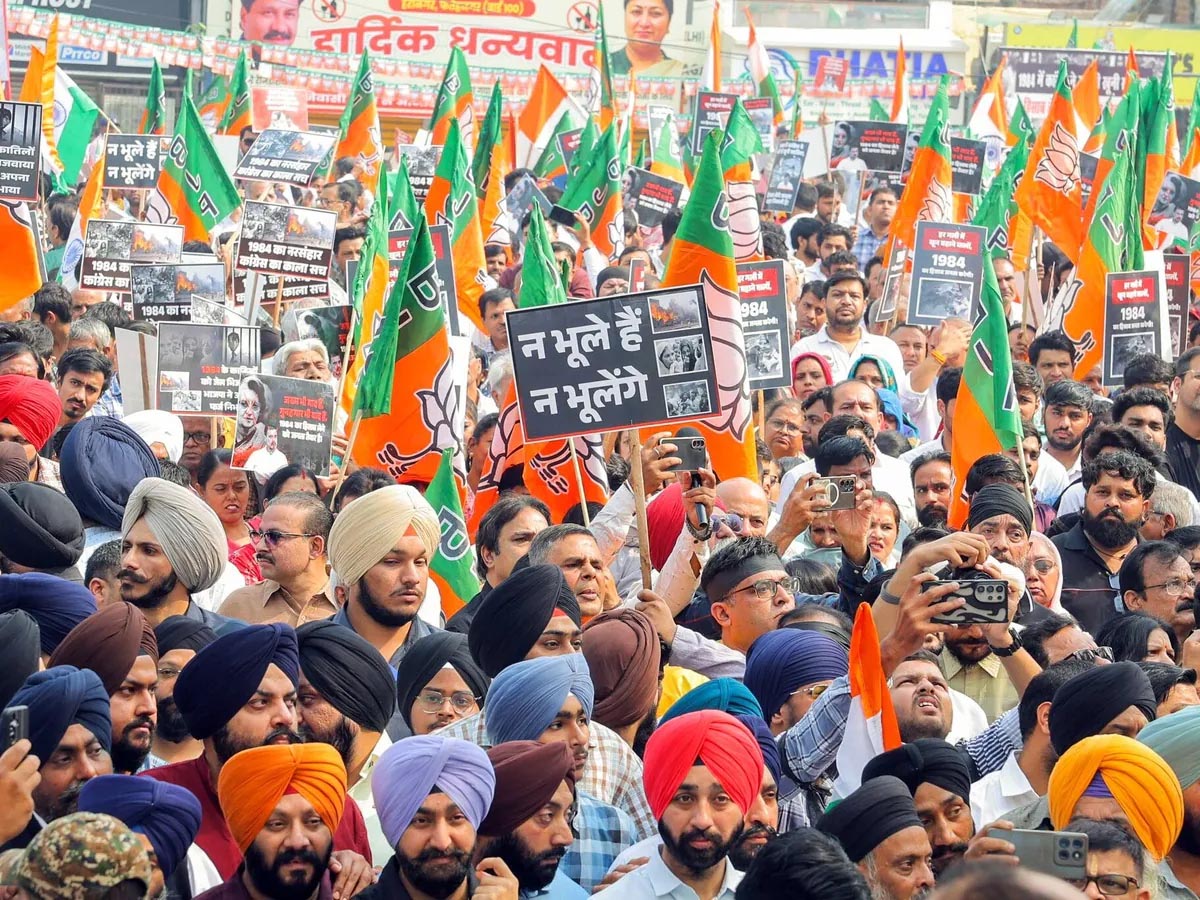
New Delhi. The political controversy has intensified regarding the opposition’s mega rally organized on November 1 at Ramlila Maidan in the national capital Delhi. Targeting the Congress, the Bharatiya Janata Party has raised the question as to why the rally was organized on the anniversary of the 1984 anti-Sikh riots. BJP says that Congress could have chosen any other day for this political program. The party has objected to the date of the rally, calling it a sensitive issue related to the sentiments of the Sikh community. Meanwhile, under the leadership of Union Minister Hardeep Singh Puri, a march was taken out from Harinagar in Delhi to Tilak Nagar. Many people including Delhi Chief Minister Rekha Gupta, Minister Manjinder Singh Sirsa and senior advocate HS Phoolka participated in it.
Political rhetoric has intensified after the Maharally organized in Delhi on 1 November. BJP has raised questions on the intentions of Congress regarding the date of the rally. The party says that the memories of the 1984 anti-Sikh riots are still extremely painful for the families of the victims. In such a situation, instead of demonstrating political power on this day, Congress should have respected the memory and feelings of the victims.
BJP leaders said that the events of November 1984 are recorded as a very sad chapter in the history of the country. After the assassination of the then Prime Minister Indira Gandhi on October 31, 1984, anti-Sikh violence broke out in many parts of the country including Delhi. A large number of innocent people lost their lives in this violence and thousands of families were affected. Many victim families continued to fight for justice for decades.
Referring to this historical background, BJP questioned Congress as to why the date of November 1 was fixed for the Maharally. BJP argues that in a democratic system, political parties have the right to hold rallies and demonstrations, but historical events and the sensitivities associated with them should be kept in mind while deciding the dates of such events.
On this issue, a march was organized from Harinagar to Tilak Nagar under the leadership of Union Minister Hardeep Singh Puri. The participation of Delhi Chief Minister Rekha Gupta and minister Manjinder Singh Sirsa in the march made it politically significant. Senior advocate HS Phoolka also participated in the program. Phoolka has long been active in legal cases involving victims of the 1984 anti-Sikh riots.
Harinagar and Tilak Nagar are major areas of West Delhi. A large number of Sikh families live in the surrounding areas including Tilak Nagar. Memories of the rehabilitation of the affected families and their struggle after the 1984 violence are also associated with these areas of Delhi. In such a situation, taking out a march from this area is being considered to have special symbolic importance.
Through this program, BJP gave the message of remembering those who lost their lives in the 1984 riots and expressing solidarity with the families of the victims. The party launched a political attack on the Congress and said that the Congress should answer for its decision to organize a mega rally on the anniversary of the anti-Sikh violence.
However, no detailed official explanation has been given in the available information regarding the reason behind fixing the date of the Maharally by the Congress. Therefore, it would not be appropriate to say that the party had deliberately chosen this date with the aim of hurting the sentiments of any community. At present BJP has made this issue a subject of political debate.
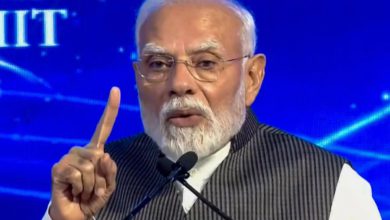
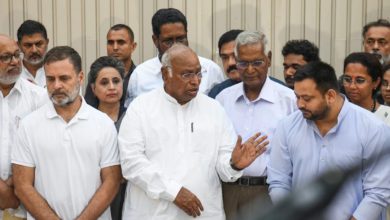
In the Maharally organized at Ramlila Maidan in Delhi, opposition parties had raised their voice against the policies of the Central Government and BJP. In the programme, questions were raised on the government on issues like democracy, electoral system and political accountability. In their addresses, opposition leaders criticized the functioning of the government and emphasized the impartiality of democratic institutions.
On the other hand, BJP hit back at Congress regarding the date of the rally. In this way, on one hand the opposition’s mega rally in the capital became a topic of discussion, while on the other hand a political controversy came to the fore regarding the anniversary of the 1984 anti-Sikh riots.
The anti-Sikh riots of 1984 are counted among the most serious incidents of communal violence in Indian history. After these incidents, many inquiry commissions and committees were formed. Legal action was also taken in various cases and some culprits were sentenced by the courts. However, questions related to justice, compensation and accountability have been raised for a long time by the victims’ families.
The name of senior advocate HS Phoolka has been particularly associated with this judicial struggle. He has fought legal battles on behalf of many victim families. In such a situation, his presence in the march did not limit the program to just political protest but also put forward a topic related to justice and memory of the victims.
There is also discussion about the responsibility of political parties in this entire controversy. Rallies, demonstrations and protests are important means of political expression in a democracy. At the same time, the sentiments of different communities regarding programs organized on the anniversaries of historical tragedies are also important. Such issues require sensitive and factual dialogue instead of allegations and counter-allegations.
At present, BJP has created a new controversy in Delhi politics by raising questions regarding the date of Congress’s mega rally. The participation of Chief Minister Rekha Gupta, Ministers Manjinder Singh Sirsa and HS Phoolka in the march led by Hardeep Singh Puri has given more prominence to the issue. now give this