
Bhubaneswar’s 148.3% Housing Surge Redefines India’s Real Estate Growth Beyond Metros
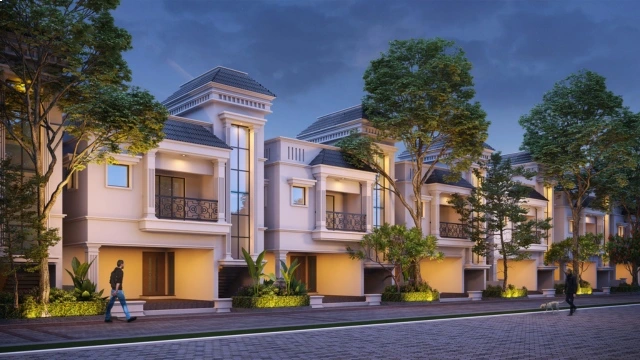
Bhubaneswar has emerged as India’s top-performing housing market over the last decade, challenging the long-held dominance of metropolitan cities in residential real estate returns. Data cited by The Times of India shows that the Odisha capital delivered 148.3% cumulative housing returns over a 10-year period between September 2015 and September 2025, the highest among major Indian cities.
This performance places Bhubaneswar ahead of Mumbai, Delhi and Bengaluru, where residential price appreciation remained significantly lower over the same period. Mumbai recorded housing returns in the range of 35–45%, while Delhi posted just 10–15% growth, reflecting prolonged stagnation in the capital’s residential market. Bengaluru, despite strong end-user demand, remained below the 100% mark, underscoring Bhubaneswar’s relative outperformance.
The data signals a structural shift in India’s housing market, with tier-II cities increasingly delivering stronger long-term returns than traditional metros. Lower base prices, expanding urban infrastructure and sustained residential demand have allowed Bhubaneswar to generate sharper appreciation without the volatility seen in overheated metro markets.
Medium-term trends further strengthen this narrative. Over a five-year period, Bhubaneswar recorded 57.7% housing returns, ranking third nationally, behind Gurgaon at 94.1% and Greater Noida at 76.1%, as reported by The Times of India. The consistency across both long- and medium-term horizons highlights the city’s growing appeal among investors seeking stable capital appreciation rather than short-term gains.
The city’s real estate momentum has been supported by urban expansion, improved connectivity, institutional growth and rising residential demand, particularly from professionals, students and first-time homebuyers. Unlike larger metros where high ticket sizes limit buyer participation, Bhubaneswar’s relatively affordable housing market has enabled broader demand while still delivering strong price growth.
At a national level, the trend reflects a widening divergence between metro-led saturation and emerging-city growth. As affordability pressures intensify in India’s largest cities, capital is increasingly flowing into markets where infrastructure development and urbanisation are still unfolding.
However, the sharp rise in prices also brings attention to housing affordability risks. Sustaining long-term growth will depend on the pace of new supply, urban planning and policy support to prevent demand-side pressure from outpacing residential availability.
Overall, Bhubaneswar’s 148.3% decade-long housing return marks a decisive shift in India’s real estate landscape. The data reinforces that the next phase of residential growth is increasingly being driven not by metros, but by well-planned, fast-growing tier-II cities offering a stronger balance of affordability and returns.