
Tradition of Aarti changed in Ram temple, now Aarti will be performed with nine lights instead of 51.
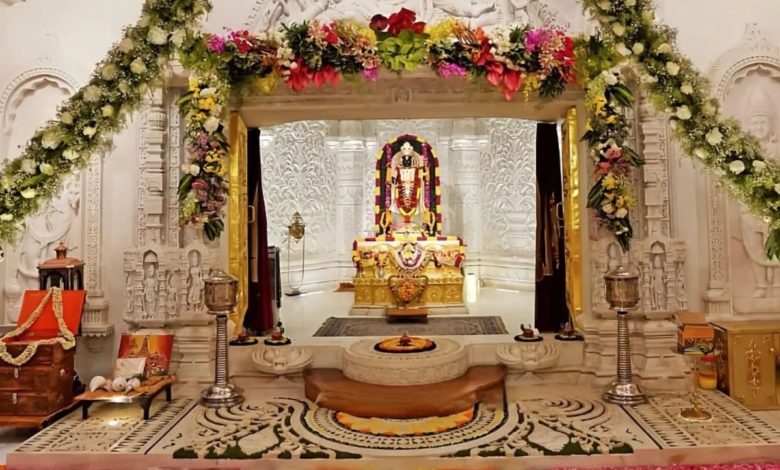
Ayodhya. Changes have been made in the new tradition of Aarti started outside the sanctum sanctorum in Ram temple. Earlier, four Aartis of 51 lights each were being performed here, but now it has been changed to Aarti of nine lights each. This decision has been taken in view of the continuously increasing smoke in the temple premises and the layers of soot falling on the stones. Shri Ram Janmabhoomi Teerth Kshetra Trust has made this change keeping in mind the cleanliness of the temple and the safety of the stones.
According to the information, arrangements for Aarti with 51 lights each were started at four places outside the sanctum sanctorum. A large amount of smoke was rising inside the temple due to a large number of lights burning simultaneously. Due to continuous aarti, a layer of soot was visible on the stones in the temple. In view of this, the Trust decided to reduce the number of Aarti lights.
Now only nine lights will be used in all four Aartis instead of 51. This will continue religious traditions and also reduce the amount of smoke in the temple premises. The Trust believes this will help protect the temple walls, pillars and other stone structures from the effects of smoke and soot.
This special aarti outside the sanctum sanctorum was started on the occasion of Shri Krishna Janmashtami. Under this arrangement, four additional priests have been appointed in the temple to perform the aarti of Maa Saryu. These priests have been given the responsibility of performing the aarti outside the sanctum sanctorum.
The new aarti system was started on the instructions of the new general secretary of Shri Ram Janmabhoomi Teerth Kshetra Trust, Govind Dev Giri. According to the plan, a total of six priests were to be deployed for this aarti. However, due to lack of availability of two additional priests, the beginning was made with four priests only.
Aarti was started regularly outside the sanctum sanctorum in the presence of four priests. Earlier, big lamps with 51-51 lights were being used. The effect of the smoke emanating from these lamps gradually became visible on the stone structures of the temple. After this the system was reviewed and it was decided to reduce the number of lights.
A large quantity of special stones have been used in the construction of Ram temple. In such a situation, the temple administration and the trust have an important responsibility to maintain the safety and cleanliness of the structure while continuing the religious rituals. Aarti performed with lamps and ghee is important from the religious point of view, but the smoke emanating from burning a large number of lamps can affect the stones in closed or limited premises.
For this reason, instead of stopping the Aarti, its form has been changed. The tradition of worship will also continue with the Aarti of nine lights and the amount of smoke will also reduce significantly. This decision of the Trust is being considered as a step towards creating a balance between religious tradition and temple conservation.
A large number of devotees reach the temple every day for darshan. In such a situation, maintaining cleanliness in and around the sanctum sanctorum is also a priority. The smoke released during Aarti not only causes soot to accumulate on the stones, but can also increase the challenge of cleaning and maintenance over time. Keeping this in mind, the format of Aarti has been changed.
Initially, enthusiasm was seen among the devotees regarding this arrangement which started from Shri Krishna Janmashtami. The scene of four aartis being performed simultaneously outside the sanctum sanctorum had become a center of special attraction. Now Aartis will be held at four places like before, but the number of lights in each Aarti has been reduced from 51 to nine.
It has been told that four priests who are in charge of Aarti are performing this religious ritual regularly. The number of priests can be increased in future if availability of two more additional priests is ensured. At present the system is being operated through four priests.
The arrangements for worship and religious rituals in the Ram temple are being changed from time to time as per the need. The Trust is trying to maintain the religious dignity of the temple and also preserve its grandeur and structure.
Now the Aarti held outside the sanctum sanctorum will be performed with nine lights each. This is expected to reduce the problem of smoke and soot in the temple. Besides, the tradition of Aarti for the devotees will also continue as before.