
Lucknow records heaviest rainfall of the season; homes and shops submerged due to waterlogging.
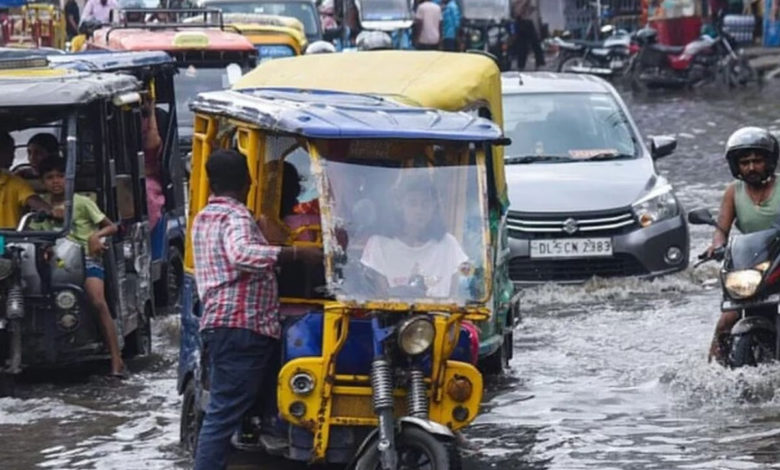
Lucknow. The heaviest rainfall of the season brought life in Lucknow, the capital of Uttar Pradesh, to a standstill. Heavy waterlogging occurred in several areas following intense rain that began early Sunday morning. Residents faced significant inconvenience as water inundated everything from streets to residential colonies. In many places, water entered homes and shops, while vehicles parked on the streets were seen submerged. The downpour has also raised questions regarding the Municipal Corporation’s drainage system and its claims about pre-monsoon drain cleaning.
Water began accumulating in various parts of the city shortly after the rain started early Sunday. Continuous rainfall overwhelmed the drainage network, preventing effective water runoff. Consequently, water levels on the roads rose, disrupting traffic in many locations. The situation was particularly dire in low-lying areas, where water from the streets spilled into homes and commercial establishments.
The city’s drainage system proved inadequate against the heavy rain. Water remained stagnant for extended periods even in areas equipped with drains and channels meant for water discharge. Residents in many neighborhoods struggled to bail water out of their homes, while shopkeepers were seen clearing out water that had entered their premises. Traders suffered financial losses as their goods were damaged by the water.
Driving became hazardous during the downpour. In several places, water accumulation was so severe that it became difficult to distinguish between the road and the drains. Motorists faced breakdowns as two-wheelers and four-wheelers stalled in the waterlogged streets, and some parked vehicles were completely submerged. Drivers struggled to navigate through the flooded areas.
The rainfall most severely affected those living in low-lying areas or homes situated below street level. Water accumulating on the roads gradually seeped into houses, forcing residents to move their belongings to safer spots. Furniture, electronic appliances, and other household items were damaged by the water in many homes. Reports also indicate that merchandise stored in shops was ruined. Citizens troubled by waterlogging have questioned the Municipal Corporation’s preparedness. Locals allege that while claims regarding drain cleaning were made prior to the monsoon, the reality of the situation was exposed as soon as heavy rains hit. People argue that had the drains and sewers been cleaned properly and on time, and the drainage system maintained effectively, such a critical situation would not have arisen in many areas.
Citizens have also raised questions regarding the expenditure on drain cleaning. They allege that while the Municipal Corporation shows crores of rupees spent on cleaning and maintenance on paper, the expected impact is not visible on the ground. Discussions around these allegations have intensified as water failed to drain away after the rain, leaving roads waterlogged for hours.
In a rapidly developing city like Lucknow, the drainage system is becoming a major challenge. Amidst the continuous construction of new colonies, buildings, and roads, there is increased pressure on natural rainwater drainage paths. Complaints have frequently surfaced that the capacity of drains in many locations is inadequate for the current population and level of construction. Consequently, the problem of waterlogging becomes severe during heavy rainfall.
Traffic flow was also disrupted due to water accumulation on the roads. Vehicle speeds slowed down on several routes, forcing commuters to seek alternative paths. The risk of accidents increased as potholes remained hidden beneath the accumulated water. Pedestrians, too, were forced to wade through the water.
Water entering commercial areas has caused anxiety among shopkeepers. Reports indicate that goods stored in many shops were damaged after getting wet. Once the rainwater receded, traders faced the additional challenge of cleaning their shops and assessing the damage to their merchandise. Those affected state that while the problem of waterlogging recurs every monsoon, no permanent solution has been found.
Waterlogging following heavy rain creates not only commuting difficulties but also health hazards. Prolonged water stagnation can lead to increased filth and mosquito-related issues. The overflow of contaminated drain water onto roads and into homes poses a risk of infection. Consequently, the prompt drainage of water and cleanup operations in waterlogged areas have become essential.
The season’s heaviest rainfall has put the capital’s monsoon preparedness to the test. Incidents of water entering homes and shops, as well as vehicles getting submerged in various parts of the city, have raised serious questions regarding the drainage system. All eyes are now on the municipal corporation to see what measures will be taken—beyond just draining water from affected areas—to tackle such situations in the future.
The rainfall has once again highlighted the urgent need for regular cleaning of drains and the strengthening of the drainage system in the capital. Citizens are demanding a genuine assessment of the drainage infrastructure rather than relying on claims made merely on paper, and are calling for the identification of areas prone to recurring waterlogging so that permanent solutions can be implemented.