
Garo National Council fields 7 candidates for GHADC elections in Meghalaya
Guwahati: The Garo National Council (GNC) has formally entered the upcoming Garo Hills Autonomous District Council (GHADC) elections, revealing its initial seven nominees for the April 10 polls.
The candidates include Augustine R Marak (Silkigre), Nikman Ch Marak (Rongrikimgre), Jakrak A Sangma (Amongpara), Deson Marak (Dengnakpara), Geobar B Marak (Asanang), Sengba D Sangma (Rongrong), and Chibasai Lampard R Marak (Williamnagar).
GNC vice president Henyshing A Sangma said the party is still accepting applications for the remaining constituencies, noting that aspirants can submit their names for consideration.
Political activity in the Garo Hills has intensified as parties gear up for the council polls. In parallel, the National People’s Party (NPP) unveiled its first list of 24 candidates on February 16, signalling a strong organisational push across the region.
The nominations, approved by the party’s State Election Committee in Shillong, cover constituencies including Siju, Wagesik, Gasuapara, Baghmara, Tura, and others.
Key NPP nominees are Calis G Momin (Siju), Jewil S Marak (Wagesik), Sengchim N Sangma (Gasuapara), and Kapilson A Sangma (Baghmara). Charningstar N Sangma will contest from Tura, while Dolly K Sangma and Mody M Sangma are fielded from Damas and Kharkutta.
The party also announced candidates for Rongrong, Bolsong, Samandaggre, Darugre, and Williamnagar.
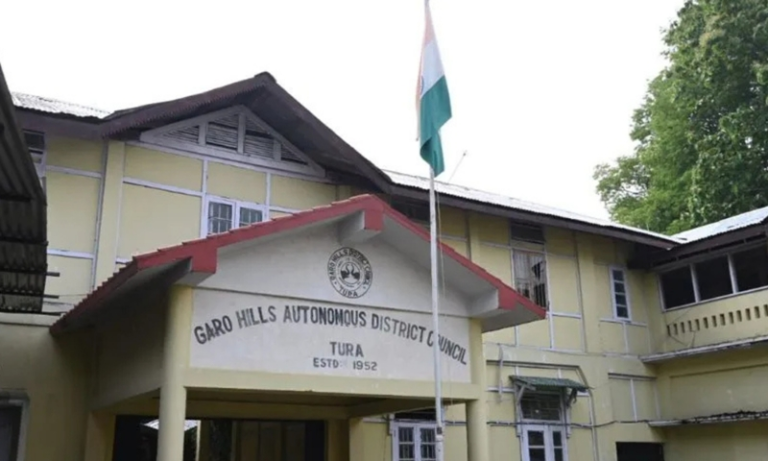
The GHADC, formed under the Sixth Schedule of the Constitution, manages legislative and administrative responsibilities over selected subjects within the tribal areas of the Garo Hills.
According to the state government, the elections are set for April 10, with counting scheduled on April 14. The official gazette notification will be issued on March 9.
Nominations must be filed by March 16, with scrutiny starting the same day after 3 pm. Candidates may withdraw by March 17, and the final list along with assigned symbols will be announced on March 18.
Authorities confirmed that district administrations and law enforcement agencies are coordinating to ensure a smooth polling process.