
When is Kajari Teej in 2026? Here is how to perform the puja for a husband’s long life and to find a desired spouse.
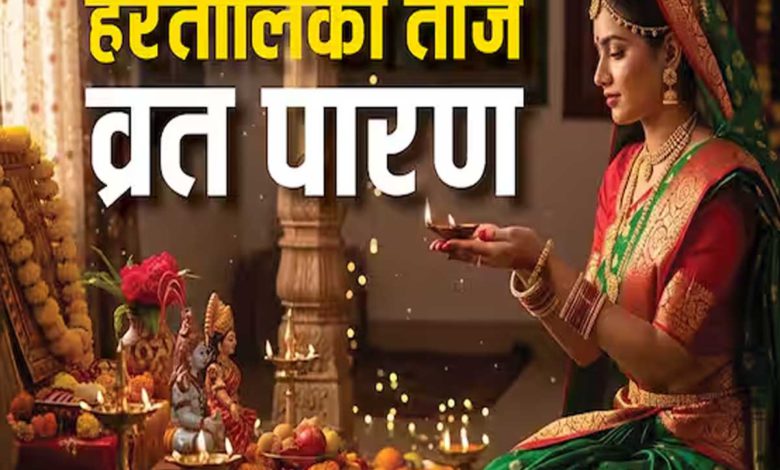
The Teej festivals hold special significance in Hinduism. One of the prominent fasts among them is Kajari Teej, observed by married women for the longevity of their husbands, a happy marital life, and the well-being of their families. Unmarried women also observe this fast with the wish of finding a suitable life partner.
In many regions, Kajari Teej is also known as Kajli Teej. This festival is dedicated to Lord Shiva and Goddess Parvati. On this day, women observe a fast—either Nirjala (without water) or Phalahar (consuming only fruits)—and perform rituals with devotion.
When will Kajari Teej be celebrated in 2026?
According to the Hindu calendar, the Kajari Teej fast is observed on the Tritiya Tithi (third day) of the Krishna Paksha (waning phase of the moon) in the month of Bhadrapada.
In the year 2026, the Kajari Teej fast will be observed on Monday, August 10, 2026.
On this day, women bathe in the morning, take a vow (Sankalp) to observe the fast, and worship Lord Shiva, Goddess Parvati, and Kajari Mata in the evening.
Note: The timings for worship and moonrise may vary by city; therefore, it is considered auspicious to check the local calendar (Panchang) for exact timings.
Religious Significance of Kajari Teej
It is believed that Goddess Parvati performed severe penance to attain Lord Shiva as her husband. For this reason, the worship of Shiva and Parvati holds special importance during the Teej festivals.
Key beliefs associated with observing the Kajari Teej fast—
Praying for the husband’s longevity and good health.
Seeking love, happiness, and peace in marital life.
Praying for prosperity and well-being within the family.
Unmarried women seeking a suitable life partner.
Kajari Teej 2026: Worship Rituals
- Morning Preparations
Wake up during Brahma Muhurta (early morning) and bathe.
Wear clean clothes.
Clean the place of worship and take the vow (Sankalp) to observe the fast.
Meditate upon Lord Shiva and Goddess Parvati. - Worship Materials
The following items are commonly used for the Kajari Teej puja—
Idol or picture of Lord Shiva and Goddess Parvati.
Flowers and garlands.
Lamp (Diya) and incense (Dhoop). Roli (vermilion powder), Akshat (unbroken rice grains), and Sindoor.
Fruits and sweets.
Symbols of marital bliss (suhag items) such as bangles, bindi, mehndi (henna), and clothing.
- Worship of Lord Shiva and Goddess Parvati
Perform the worship of Lord Shiva and Goddess Parvati in the evening, following the prescribed rituals. Offer the suhag items to Goddess Parvati and pray for the happiness and prosperity of the family.
Afterward, recite or listen to the Kajari Teej Vrat Katha (the story associated with the fast) and perform the Aarti.
- Offering Arghya to the Moon
In many traditions, women view the moon at night and offer Arghya (a ritual offering of water) to it. The fast is broken after this ritual.
What do women do on Kajari Teej?
On the day of Kajari Teej, women—
Apply mehndi (henna).
Wear new clothes and jewelry.
Sing folk songs.
Participate in the tradition of swinging on swings (jhoola).
Pray to Goddess Parvati for enduring marital bliss.
Significance of Kajari Teej for unmarried women
In many places, unmarried girls also observe the Kajari Teej fast. It is believed that observing this fast with devotion and faith blesses them with a life partner of their choice.
However, fasting and religious observances are matters of personal faith.
Difference between Kajari Teej and other Teej festivals
The various Teej festivals are celebrated at different times—
Hariyali Teej: Falls in the month of Sawan (Shravan).
Kajari Teej: Celebrated during the Krishna Paksha (waning phase of the moon) of the month of Bhadrapad.
Hartalika Teej: Celebrated during the Shukla Paksha (waxing phase of the moon) of the month of Bhadrapad.
Worship of Goddess Parvati and Lord Shiva holds significance in all three festivals.
Things to keep in mind on Kajari Teej
Keep your mind calm during the worship.
Contemplate and remember Lord Shiva and Goddess Parvati.
Donate to the needy.
Maintain love and harmony within the family.
Observe the fast according to your health condition.