Transformer purchase scam: SC orders filing of preliminary inquiry documents
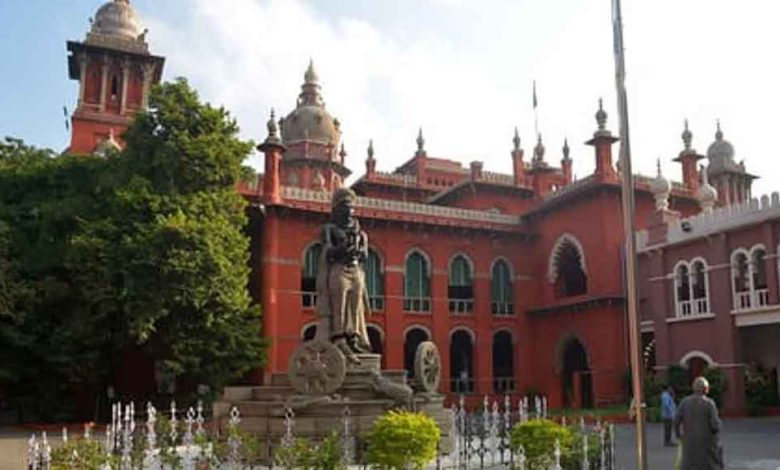
Tamil Nadu: The Chennai High Court has ordered the filing of documents related to the preliminary investigation by the anti-corruption police into a complaint by the Arapo Movement regarding irregularities in the purchase of transformers.
Arapo Movement coordinator Jayaram Venkatesan filed a petition in the Chennai High Court alleging corruption worth approximately ₹397 crore in the purchase of 45,800 transformers in Tamil Nadu between 2021 and 2023. It contains evidence against then-Power Minister Senthil Balaji and Danjetco Chairman Rajesh Lakhani.
He demanded that a case be filed regarding the irregularities and a Special Investigation Team be ordered to investigate under the supervision of the High Court. Two other individuals, including AIADMK executive Saravanan, also filed cases with the same request.
The cases were heard on Thursday by Chief Justice M.M. Shrivastava and Justice G. The case was heard before the bench of Justice Arulmurugan. At that time, 30 contractors from the Arappor Movement had quoted the same price. They were awarded these contracts at higher prices.
This has caused losses to the government. We filed a complaint in 2023, but no action was taken on that complaint for four months. This is why this case was filed.
On behalf of the government, the Anti-Corruption Department is conducting a preliminary investigation into the matter under the Prevention of Corruption Act, with government approval. Furthermore, the contracts were awarded according to a process established since 1987. Contractors have been quoting the same price for many years. This has also affected the government. It was also pointed out that if these contracts were not awarded, transformers would not be replaced across Tamil Nadu.
After hearing arguments from both sides, the judges stated that the Supreme Court has held that a preliminary investigation is not necessary in such cases of irregularities. Had the government acted in accordance with the Supreme Court’s order, the case would not have reached trial. They believed that if preliminary investigations were conducted in all cases, no conclusions could be reached.
The government was subsequently ordered to respond to these petitions within a week. The judges also ordered the government to submit documents related to the tender allotment and preliminary investigation, and the hearing was adjourned.