The growing trend of Sehri during Ramadan in Saudi Arabia
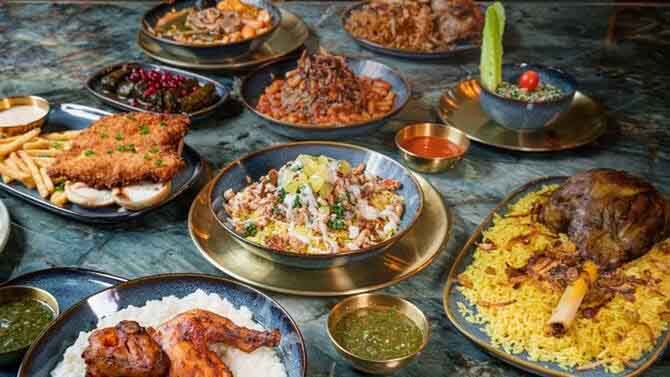
Alkhobar: Across Saudi Arabia, restaurants are extending service until dawn, and cafes are seeing frequent crowds even after midnight during Ramadan, as the pre-fast meal, Sehri, becomes a key social moment during the holy month.
Although Iftar is structured, family-centered, and associated with Maghrib prayers, for many Saudis, the hours before dawn are now more emotional and social.
This shift reflects more than just personal preference; it reflects broader changes in urban routines, work schedules, and the culture of staying up late during Ramadan.
“Iftar feels like a responsibility,” said Maha Al-Zahrani, a mother of three from Alkhobar.
“You have to be at the table on time. Sehri feels more peaceful. We sit longer. There’s no rush.”
In many homes, Iftar is planned in advance. The entire family gathers. Dishes are prepared hours in advance. Guests arrive shortly before sunset. Prayer times dictate the pace. In contrast, Suhoor is flexible. It can be at home, in a café, or at a late-night diner. It can include a full meal or something simple like eggs, yogurt, or coffee. Its tone is informal.
Restaurants say the difference is clear.
Youssef Al-Anazi, who works at a late-night diner in Dammam, said, “Our Suhoor crowd stays longer.”
“Iftar is early. People eat and leave. Suhoor customers chat. Some stay until Fajr.”
Consumer trends in Saudi Arabia have highlighted an increase in overall retail spending and e-commerce activity during the holy month, with businesses calling this time the peak commercial season.
This increase in consumption reinforces a shift toward nighttime activities, including eating patterns that now extend well beyond Iftar.
Under Saudi labor regulations, Muslim employees’ working hours are reduced during Ramadan, typically extending the workday into the late morning and afternoon. The shortened schedule leaves evenings free.
Many people balance family responsibilities, work commitments, and social gatherings in the short time between sunset and Taraweeh prayers, after which they remain active well past midnight. For young Saudis, Sehri fits into this rhythm.
“I eat Iftar with my family,” said high school student Rakan Al-Shehri. “But I meet my friends at Sehri. That’s when we actually talk.”
Cafés in business districts and mixed-use developments see a steady flow of people after 11 p.m., especially on weekends. Some places have introduced Sehri menus, offering lighter options to maintain the fasting hours instead of the heavy Iftar meal.
The economic impact isn’t limited to restaurants. Delivery apps are active even in the pre-dawn hours, while grocery stores see a steady flow of people as Sehri approaches.
Mohammed Amin, who works at a supermarket in Alkhobar, said demand typically increases after midnight. “Most customers come for basic items like bread, milk, and fruit. Shopping before Sehri is usually quick. The crowds are quieter but consistent every Ramadan,” he said.
For families, it’s not just about convenience.
“Iftar can be crowded,” Al-Zahrani said. “Everyone is hungry. The children are tired. Sehri is quiet. Sometimes it’s just my husband and me in the kitchen.”
As cities expand mixed-use districts and late-night commercial zones, Sehri is increasingly associated with a broader shift toward nighttime activities.
This also reflects demographic shifts. Smaller nuclear families, a growing number of young professionals living alone, and commercial districts operating late into the night all contribute to a different tempo of Ramadan.
This shift does not diminish the religious significance of Iftar. Rather, it redistributes social energy.