
Tamil Nadu: Rising above the paddy fields, the French Marvel is finding a new way of life
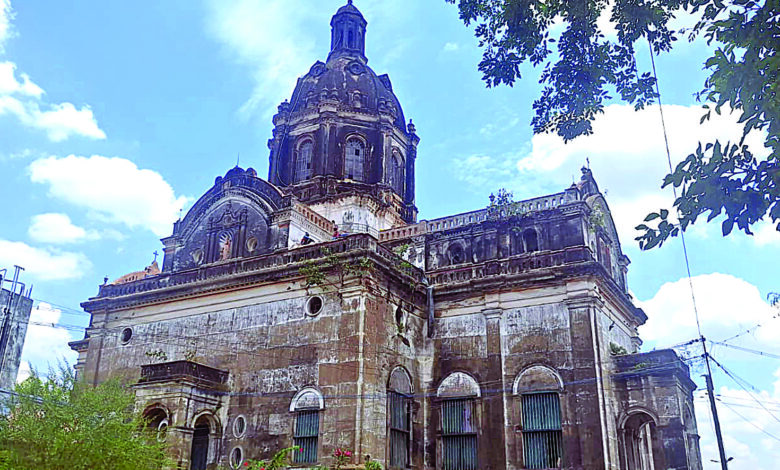
THIRUVARUR: Surrounded by endless stretches of lush green paddy fields, coconut grove and quiet village roads, a magnificent church rises dramatically against the skyline, its towering structure offering a breathtaking sight to anyone approaching the village.
Standing tall for more than 155 years, St. Joseph’s Church at Perumpannaiyur in Tiruvarur district is an extraordinary piece of architectural heritage that deserves to be seen, admired and preserved. Unfortunately, a substantial portion of the land which belonged to the church has allegedly been encroached upon by a politician.
This imposing monument of faith and history is fighting a battle for survival, requiring an estimated Rs 40 crore for restoration project.
Located about 60 km from the famous Velankanni Basilica, one of India’s most visited Christian pilgrimage centres, the church offers visitors an opportunity to discover another remarkable religious and architectural landmark in the Cauvery delta region. Its location amid verdant agricultural fields makes the sight even more spectacular, with the massive structure appearing almost unexpectedly in the rural landscape.
Built over several decades beginning in 1871, the church is an impressive example of European architectural influences blended with traditional local craftsmanship. Its towering structure, measuring about 153 feet from ground level, features a distinctive dome, tall teakwood windows, ornate interiors and finely carved wooden sculptures.
The church’s most striking attraction is its intricately crafted wooden altar, reflecting the celebrated craftsmanship of the Thanjavur region. Wooden statues of Jesus Christ, St. Joseph, St. Francis Xavier and St. John de Britto, reportedly brought from France, add to its artistic splendour. A sacred relic of the True Cross, preserved for public veneration, further enhances its religious significance.
The scale of the construction is particularly remarkable considering the period in which it was built and its location in a relatively remote agricultural village. The structure reflects Dutch and French architectural influences, while its construction employed traditional materials such as flat bricks and lime mortar.
However, more than a century of exposure to the elements, inadequate maintenance and damage caused by invasive tree roots have taken a toll on the building. Parts of the structure require urgent attention, making comprehensive conservation essential to protect its architectural character.
The restoration work commenced in April 2026 and is expected to take approximately three years. The estimated expenditure is Rs 40 crore. The challenge is to restore the church without compromising its original architectural features and historical authenticity. The parish has appealed to the public, philanthropists, devotees and the government to extend financial and other assistance.
Beyond its religious importance, the church has also been part of the village’s social history. It has served as a place of refuge for local families during natural disasters and floods, demonstrating its significance beyond the walls of a place of worship.
Visitors travelling to Velankanni can consider extending their journey to Perumpannaiyur to witness this architectural wonder. The church is about 15 km from Tiruvarur railway station, 57 km from Thanjavur and just 1 km off Kappanamangalam on the Tiruvarur-Kumbakonam State Highway.
At a time when heritage structures are disappearing under the pressure of neglect and time, this magnificent church deserves more than passing admiration. A visit, a contribution or even a word about its historical significance could help draw attention to its conservation.
The towering church has stood witness to 155 years of faith, sacrifice and history and preserving it now is a responsibility that belongs not just to the parish or the Christian community, but to everyone who values India’s architectural and cultural heritage.
The financial difficulties are compounded by issues surrounding the church’s landholdings. The church is understood to own more than 250 acres of cultivable land, and a substantial portion of the land has allegedly been encroached upon by a politician. The loss of revenue from these agricultural properties has further complicated efforts to maintain the sprawling heritage structure and mobilise funds for its restoration.
Local elders appeal that the government must step in, examine the land records, reclaim properties found to have been encroached upon and ensure that the church’s assets serve their intended purpose. A 155-year-old architectural treasure should not be left to crumble while its valuable landholdings remai