Rural Economy Booms: 80% of Households Report Higher Consumption, Signals Broad-Based Revival
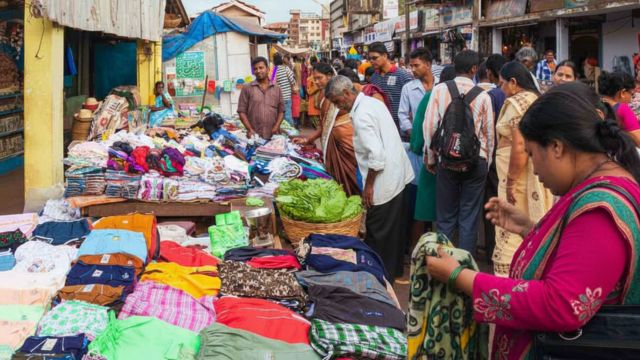
India’s rural economy is demonstrating unprecedented strength and optimism, with nearly 80% of households consistently reporting higher consumption over the past year, according to the latest Rural Economic Conditions and Sentiments Survey (RECSS) conducted by the National Bank for Agriculture and Rural Development (NABARD).
The findings of the eighth round of the bi-monthly survey present the clearest evidence yet of a broad-based revival in rural demand, driven by rising real purchasing power and improved household well-being.
Consumption and Income Surge to Record Highs
The key takeaway for businesses is the sustained, robust demand indicated by the data. The survey revealed:
Record Consumption Share: Rural households are now spending 67.3% of their monthly income on consumption, the highest share recorded since the survey began in September 2024. This trend has been supported, in part, by recent GST rate rationalization measures.
Highest Income Growth: Income growth is at its strongest level to date, with 42.2% of households reporting an increase in income—the best performance across all survey rounds. In contrast, only 15.7% reported any decline, the lowest figure recorded.
Future Optimism: The outlook remains exceptionally positive, with 75.9% of households expecting their incomes to rise in the next year, marking the highest level of optimism since the survey’s inception.
Investment and Financial Formalization Accelerate
Beyond daily consumption, rural financial fundamentals are also strengthening, suggesting long-term economic stability and asset creation:
Capital Investment Pick-up: Rural investment activity has accelerated sharply. 29.3% of households increased capital investment this year, the highest proportion recorded. This signals renewed asset creation across both farm and non-farm sectors, which the Finance Ministry noted is driven by income gains, not credit stress.
Formal Credit Penetration: Access to formal credit has reached a new peak, with 58.3% of rural households now accessing only formal sources of credit, up significantly from 48.7% in September 2024. This trend indicates growing financial inclusion and a reduced reliance on informal, high-cost lenders.
Moderating Inflation: The perception of inflation has dropped to its lowest point in a year, with the average inflation perception moderating to 3.77%, falling below 4% for the first time.
Implications for Business and Industry
The NABARD data signals a strong positive trajectory for industries targeting the vast rural market:
FMCG & Durables: Companies in the Fast-Moving Consumer Goods (FMCG), consumer durables, and automotive sectors can anticipate sustained volume growth as higher income translates into spending on lifestyle and aspirational products.
Financial Services: The increasing shift towards formal credit creates a massive opportunity for banks, NBFCs, and FinTech companies to expand their lending and savings products in the hinterland.
Infrastructure & Agriculture: The jump in capital investment, specifically, points to greater demand for construction materials, farm machinery, agri-inputs, and micro-irrigation systems.
The survey concludes that the strong momentum is being reinforced by sustained welfare support and public investment, positioning the rural economy as a pivotal engine of national economic growth in the coming year.