
Red weather alert in Himachal, danger of heavy rain and landslides for 6 days
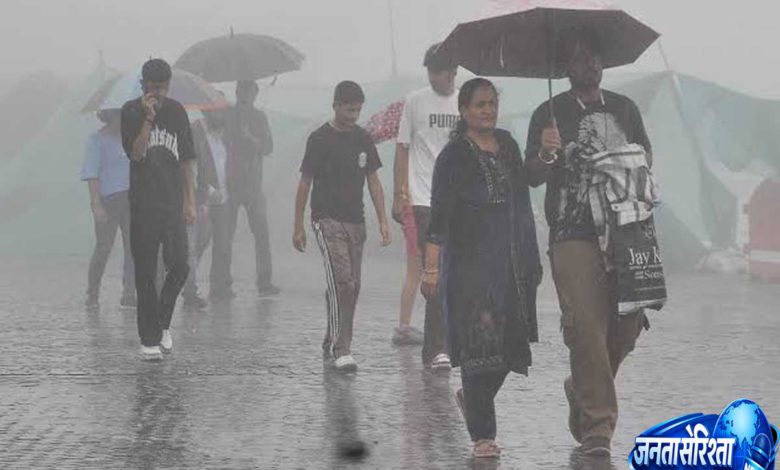
Himachal Pradesh: The monsoon has become active once again. The India Meteorological Department (IMD) has forecast heavy to very heavy rainfall across several parts of the state over the next six days. Continuous rain has heightened the risk of landslides, flash floods, road blockages, and the swelling of rivers and streams.
The Meteorological Department has urged people to avoid unnecessary travel, stay away from riverbanks and streams, and adhere to guidelines issued by the administration.
What will the weather be like over the next six days?
According to the Meteorological Department, monsoon activity in Himachal Pradesh will remain intense due to a continuous influx of moisture from the Bay of Bengal and the Arabian Sea. This is likely to bring intermittent heavy rain and, in some places, torrential downpours across several districts.
This spell of rain is expected to continue for the next six days. Continuous rainfall in high-altitude areas could also lead to an increase in landslides and rockfalls.
Which districts are likely to be most affected?
The impact of heavy rainfall is likely to be seen primarily in the following districts:
Shimla
Mandi
Kullu
Kangra
Chamba
Solan
Sirmaur
Hamirpur
Bilaspur
Una
Parts of Kinnaur
Vulnerable areas of Lahaul-Spiti
Along with heavy rain, there is also a likelihood of lightning strikes and strong winds in these areas.
Risk of landslides and flash floods
Continuous rain weakens the soil in hilly regions, increasing the likelihood of landslides. Many national and state highways could be affected.
Specifically:
Rocks may fall on hill roads.
Water levels in small bridges and streams could rise rapidly.
Waterlogging may occur in low-lying areas.
The risk of flash floods could increase.
Advisory for tourists
Himachal is currently hosting a large number of tourists. In light of this, the administration has appealed to tourists to exercise extra caution. If you are planning a trip to Himachal—
Check the weather forecast before traveling.
Avoid traveling on mountain roads at night.
Do not take the risk of posing for photos near rivers, waterfalls, or streams.
Follow the advice of the local administration.
Impact on farmers—
While continuous rain may benefit Kharif crops in some areas, excessive rainfall raises the risk of waterlogging in fields and potential crop damage.
Experts advise farmers to—
Ensure proper drainage arrangements in the fields.
Prevent waterlogging in horticultural areas.
Avoid spraying pesticides or fertilizers during heavy rain.
Impact on roads and traffic—
Traffic on many mountain routes may be disrupted due to heavy rain. There is a risk of road closures and long traffic jams caused by landslides.
Travelers are advised to—
Check road conditions before starting the journey.
Carry essential supplies and medicines.
Drive carefully and avoid speeding.
Administration on high alert—
The state government and district administration have placed disaster management teams on alert. Surveillance has been stepped up in vulnerable areas, and relief and rescue teams have been instructed to remain ready.
Where needed—
Machinery will be deployed to reopen roads quickly.
Relief camps will be kept ready.
Power and drinking water supplies will be constantly monitored.
Essential precautions for the public—
Pay special attention to the following during heavy rain—
Do not step out of the house unnecessarily.
Avoid going near rivers, streams, and waterfalls.
Keep an eye on weather department warnings.
Do not stand in open areas during lightning.
Keep mobile phones charged and have important contact numbers handy.
Contact the local administration immediately in case of any emergency. Advisory from the Meteorological Department
The IMD has clarified that during heavy rainfall, people should avoid rumors and rely solely on official weather bulletins and information provided by the administration.
If a Red or Orange alert is issued for an area, avoiding unnecessary travel is the safest course of action.