
Punjab: Goat rearing is becoming a good business model, increasing village income
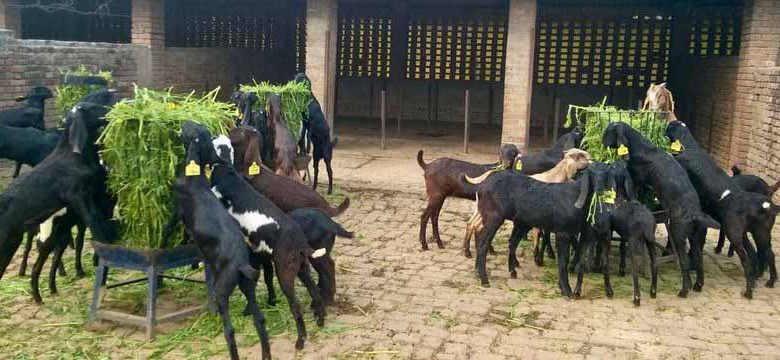
Punjab: Experts say goat farming is emerging as a promising agri-business model across the state, providing rural families with a sustainable source of income, nutrition, and strength. They say March and April are the best months to start a goat farming unit in the state because temperatures are comfortable and fodder is abundant, making management easier and reducing initial costs. The Krishi Vigyan Kendra (KVK) of Punjab Agricultural University is promoting the practice, citing its low investment, quick returns, and ability to adapt to different farming systems. Often called the “poor man’s cow,” goats are versatile animals that thrive even with limited resources. Experts say they provide meat, milk, fiber, and manure, making them ideal for integrated farming. Aparna Gupta, an expert at KVK, Ropar, says, “With scientific housing, balanced feeding, and preventive healthcare, goat rearing can transform from a traditional practice into a profitable one.”
Experts are encouraging farmers to adopt a semi-intensive system that combines stall feeding with controlled grazing, suitable for the state’s climate. According to experts, scientifically designed sheds, proper ventilation, and access to fodder cultivation are essential for maintaining productivity. They say that 25-30 goats can be raised on one acre of land, including fodder production. Breeds like Beetal, Barbari, and Jamunapari are recommended for their high reproductive potential and market value. Gupta says that goats reach sexual maturity within a year and typically produce one to two kids per litter. Gupta further stated that with a gestation period of 150 days, a herd of 50 goats can generate a monthly profit of ₹363 per animal, making it profitable even for small and marginal farmers.
She adds that institutions like the Guru Angad Dev Veterinary and Animal Sciences University and its regional centers provide assistance in purchasing quality breeding stock. Adult goats weighing 30-35 kg cost between ₹12,000 and ₹17,000, and government assistance is available for larger units. Experts say goat rearing is a strategic investment because there is a high demand for sable and flexible marketing options. Satbir Singh, a KVK expert, says that KVKs and Farm Advisory Service Centers across the state are guiding farmers in transforming this age-old practice into a modern agri-business. He says goat farming provides more than just extra income; it offers stability, flexibility, and resilience in an uncertain farming environment. Singh says that with low investment, quick turnover, and a stable market, goats fit into a variety of farming systems, and he also says that their high reproductive potential and adaptability mean that even small and marginal farmers can earn a regular income. Singh says goat farming provides quick capital acquisition and regular cash flow, making it a “mobile ATM” for small and marginal farmers.