
Palm oil: The ‘liquid gold’ of everyday life.
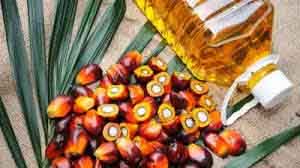
Lifestyle: Palm oil, often referred to as ‘liquid gold’, has become an integral part of our food and everyday products. This oil is not only used in cooking but is also found in numerous products such as toothpaste, shampoo, soap, noodles, and packaged foods. Its popularity stems primarily from its affordability and versatility. Palm oil is the most widely produced oil in the world, and three main types are prevalent – refined, crude, and red palm oil. From a health perspective, there are mixed opinions on palm oil. Some research suggests it is safe for the heart and may help control cholesterol levels. However, other studies indicate that due to its high saturated fat content, excessive consumption of palm oil can increase the risk of heart disease and obesity. Experts say that moderate consumption is safe, but excessive intake can have negative health effects. The environmental impact of palm oil is also a cause for concern. Large-scale deforestation is carried out for palm oil cultivation. This is destroying the natural habitats of many animal species, impacting biodiversity. Countries like Indonesia and Malaysia are leading producers of palm oil, and the deforestation in these regions has become a global environmental concern. Soil erosion and climate change are also affected. Social issues related to the palm oil industry have also emerged. There have been reports of violations of the rights of farmers and local communities, low wages, and unsafe working conditions. Despite this, the palm oil industry also provides employment to millions of people. In recent years, several initiatives have been taken regarding palm oil from an environmental and health perspective. Organizations like the Roundtable on Sustainable Palm Oil (RSPO) are working to certify sustainable palm oil producers. These organizations ensure that palm oil production takes into account deforestation, biodiversity, and social rights. It is also essential for consumers to choose products that use sustainably sourced palm oil. Scientists and health experts believe that the limited and controlled use of palm oil is safe, but its absence could affect the recipes of many food and cosmetic industries. Therefore, it is crucial for consumers to be aware and demand transparency in production. In short, palm oil is a versatile oil that has become an integral part of our daily lives. It is inexpensive and readily available, but its health and environmental impacts cannot be ignored. Balanced use, sustainable production, and informed consumers are key to making it a safe and long-term option.