Krishna Chandra Patra: Paddy Procurement in Odisha Crosses 75 Lakh MT; Major Benefit for Farmers
Bhubaneswar: The ongoing Kharif 2025–26 paddy procurement drive in Odisha has gained tremendous momentum. To date, the total procurement has reached approximately 7.5 million metric tonnes (MT), reflecting administrative efficiency and robust participation by farmers across the state.
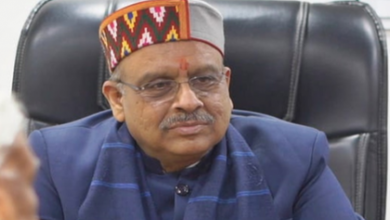
According to the State Minister for Food Supply and Welfare, Krishna Chandra Patra, a total of 7.517 million MT of paddy arrived at the mandis (procurement centers) by March 24. Of this, 7.492 million MT has already been procured, benefiting over 1.803 million farmers. The scale of this initiative ranks it among the largest procurement drives undertaken in recent years.
The state government has released ₹16,986.25 crore towards the payment of the Minimum Support Price (MSP), ensuring timely and direct financial assistance to farmers. Furthermore, ₹5,241.43 crore has been disbursed as input assistance, thereby strengthening cash flow in rural areas and helping farmers manage their cultivation costs.
Mill owners have lifted 7.314 million MT of paddy for processing, demonstrating strong coordination between procurement agencies and rice millers. Officials noted that improved logistics and strict monitoring have significantly reduced operational bottlenecks this season. However, approximately 178,000 MT of paddy still remains at the mandis, while 108,000 MT is yet to be accepted by mill owners, indicating a need to further accelerate the paddy lifting process.
District-wise statistics highlight Western Odisha’s dominance in paddy production. Bargarh leads the pack with a procurement figure exceeding 769,000 MT, followed by Kalahandi (643,000 MT) and Ganjam (557,000 MT). Other major contributing districts include Bolangir, Sambalpur, Subarnapur, and Mayurbhanj, which once again reaffirm their role as the state’s key agricultural hubs.
Officials have attributed the success of the procurement drive to improved digital payment systems, rigorous ground-level monitoring, and enhanced infrastructure within the mandis. The direct transfer of the Minimum Support Price (MSP) into farmers’ bank accounts has ensured transparency and minimized delays.
With the procurement drive reaching its peak—and most targets having already been achieved—Odisha’s paddy procurement model is being hailed as a benchmark for the efficient management of food grains. The substantial inflow of MSP payments and input assistance is expected to provide a significant boost to the rural economy, thereby further solidifying agriculture’s position as the backbone of the state’s growth narrative.