Kerala: Temperatures rise again in the state; no rain expected soon, alert issued
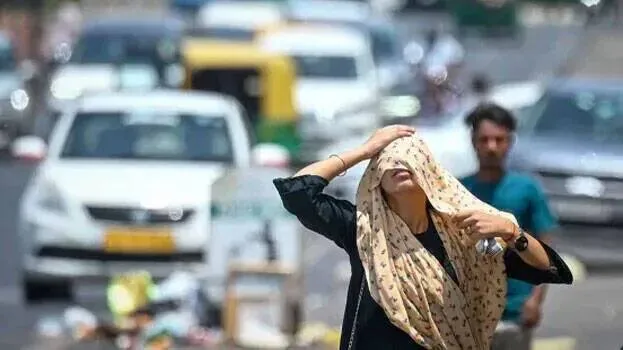
THIRUVANANTHAPURAM: The state disaster management authority has issued cautionary instructions for the public in the wake of high heat reports in the state. The department has clarified that high heat can cause several serious health problems including sunstroke, heatstroke, and dehydration, and therefore the public should follow the instructions. Meanwhile, there is no specific rain warning anywhere in Kerala.
Directions
Avoid prolonged direct sunlight exposure between 11 am and 3 pm.
Continue drinking water even if you are not thirsty. Drink as much pure water as possible.
Avoid dehydrating drinks such as alcohol, coffee, tea, and carbonated soft drinks during the day.
Wear loose, light-coloured cotton clothes.
Wear footwear when going out. It is advisable to use an umbrella or hat.
Eat plenty of fruits and vegetables. Encourage the use of ORS solution, buttermilk, etc.
There is a high possibility of fires increasing and spreading in places like markets, buildings, and waste collection and storage centers (dumping yards). Fire audits should be conducted and proper safety precautions should be taken. Those living near these areas and those running institutions should be especially vigilant.
There is a possibility of forest fires spreading in the heat. Those living near forest areas and tourists should be especially vigilant. Situations that could lead to forest fires should be avoided. The instructions of the forest department should be strictly followed.
In educational institutions, clean drinking water should be ensured for students and air circulation in classrooms. During the examination period, water should also be ensured in the examination halls.
School authorities and parents should take special care of students. Assemblies and other programs that expose children to excessive heat should be avoided or timed accordingly. Schools that take children on excursions should ensure that children are not directly exposed to heat between 11 am and 3 pm.
The respective panchayat authorities and anganwadi workers should take special care to implement a system that prevents children from getting exposed to heat.
Bedridden patients, elderly people, pregnant women, children, differently abled people, and those suffering from other diseases should take special care to avoid direct exposure to sunlight between 11 am and 3 pm. Since such groups are prone to sunstroke, special care should be taken in their case.
The respective institutions should ensure that those who distribute food online on two-wheelers are safe during the afternoon (between 11 am and 3 pm). They should be instructed to wear clothes that prevent them from getting exposed to heat, and if necessary, they should be allowed to rest for a while during the journey.
Media workers and police officers should use umbrellas during this time (between 11 am and 3 pm) and take care not to be exposed to direct sunlight. Provide drinking water to officials on duty to help prevent dehydration.
When organizing public events and gatherings, organizers should ensure that participants have access to adequate drinking water and shade. Avoid gatherings between 11 am and 3 pm as much as possible.
It is best for those traveling to continue their journey with adequate rest. Keep water in hand.
Construction workers, agricultural workers, street vendors, and those engaged in any other strenuous work should adjust their working hours. Ensure adequate rest at work.
Avoid leaving livestock to graze in the midday sun and tying up other domestic animals in the sun. Ensure access to water for animals and birds.
Do not leave children or pets in parked vehicles.
Take steps to use water sparingly and to store as much water as possible when it rains. Always carry a small bottle of drinking water with you to prevent dehydration.
If you feel unwell, rest immediately and seek medical attention.
Listen to and obey official warnings from the meteorological department and the disaster management authority.