
Jalandhar: Cultivating responsible citizens for a strong India
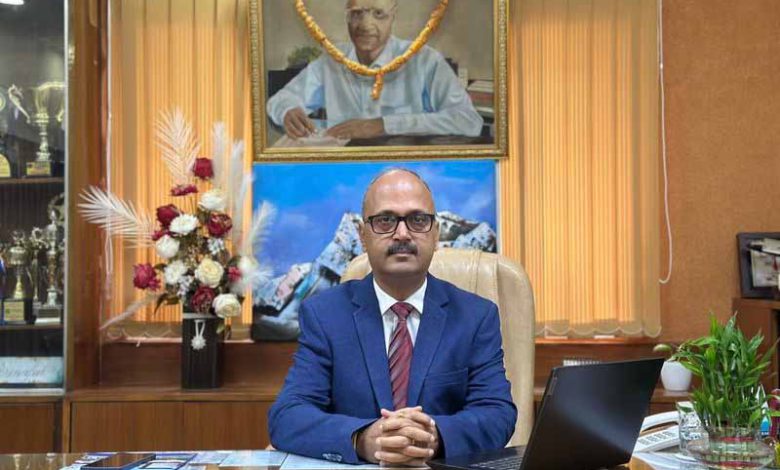
Jalandhar: At a time when the world is experiencing tremendous technological advancements and rapid social change, it’s crucial to rethink the purpose of education. Academic knowledge and technical skills, while essential, are no longer sufficient to prepare young people for the ethical, social, and civic challenges of today’s lives. To make education truly meaningful and sustainable, it must be grounded in values—values that build character, foster empathy, and foster a sense of responsibility toward society and the nation. The National Education Policy 2020 provides a timely and well-designed framework emphasizing holistic development. It recognizes that education must go beyond exam-centric outcomes and develop moral reasoning, emotional intelligence, and active citizenship. Experience shows that those who consistently succeed are driven not just by intellectual ability but also by integrity, purpose, and social consciousness. Values like honesty, respect, discipline, kindness, and perseverance aren’t just ideals confined to moral science lessons; they are principles that influence how people think, make decisions, and act in society.
When these values are intentionally incorporated into everyday schooling, education becomes a powerful tool for nation-building. Classrooms become places where students learn to question thoughtfully, act responsibly, and contribute meaningfully to the world around them. Central to this process is the teacher, whose role goes beyond delivering a curriculum. Teachers shape attitudes, influence choices, and model behavior. In more than two and a half decades in education, I’ve observed that students may forget lessons, but they rarely forget how they were treated, the values they witnessed, and the confidence they gained when they were encouraged to stand up for what’s right. Therefore, schools must serve as ecosystems where values are not just talked about, but lived daily. An environment that fosters collaboration, inclusivity, respect for diversity, and service to the community lays the foundation for responsible citizenship. At Apeejay School on Mahavir Marg, we strive to maintain such an environment through a balanced focus on academic rigor, ethical behavior, and holistic growth, ensuring that excellence is guided by values.
Co-curricular and experiential learning play a vital role in this process. Sports, arts, debate, environmental initiatives, and social outreach activities help students embrace values like teamwork, resilience, empathy, and accountability—qualities that cannot be taught solely through textbooks but are essential for life outside the classroom. In a digital age, where information is instant and unlimited, the need for ethical grounding has become even greater. Students must learn not only to use technology effectively but also responsibly. Media literacy, cyber ethics, and social awareness must be integral to education, enabling learners to engage with the digital world with understanding, respect, and responsibility. Partnerships between school and home are equally important. Values take root when there is a synergy between what children see in school and what they experience at home. When parents and teachers work together with a common purpose, education becomes cohesive, meaningful, and transformative. India’s civilizational mindset has long considered education a means to self-improvement and the upliftment of society.
The philosophy of ‘Vasudhaiva Kutumbakam’ (the world is one family) provides a timeless perspective that can foster global citizenship. By combining this understanding with contemporary educational practices, we can create a generation that is confident yet humble, ambitious yet compassionate, skilled yet socially responsible. As the country looks to the future, the true measure of education will not be merely grades or professional success, but the quality of the citizens it produces. The ultimate question should be how responsibly our youth lead, how ethically they innovate, and how compassionately they serve society. A values-based education has the power to create such citizens—and, in doing so, to build the India of tomorrow: mentally vibrant, morally strong, socially cohesive, and resilient to change. This is not just an educational ideal; it is a national imperative.