
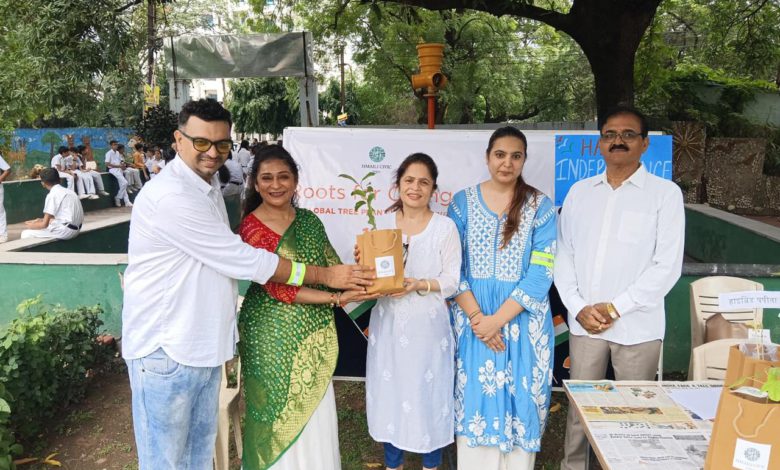
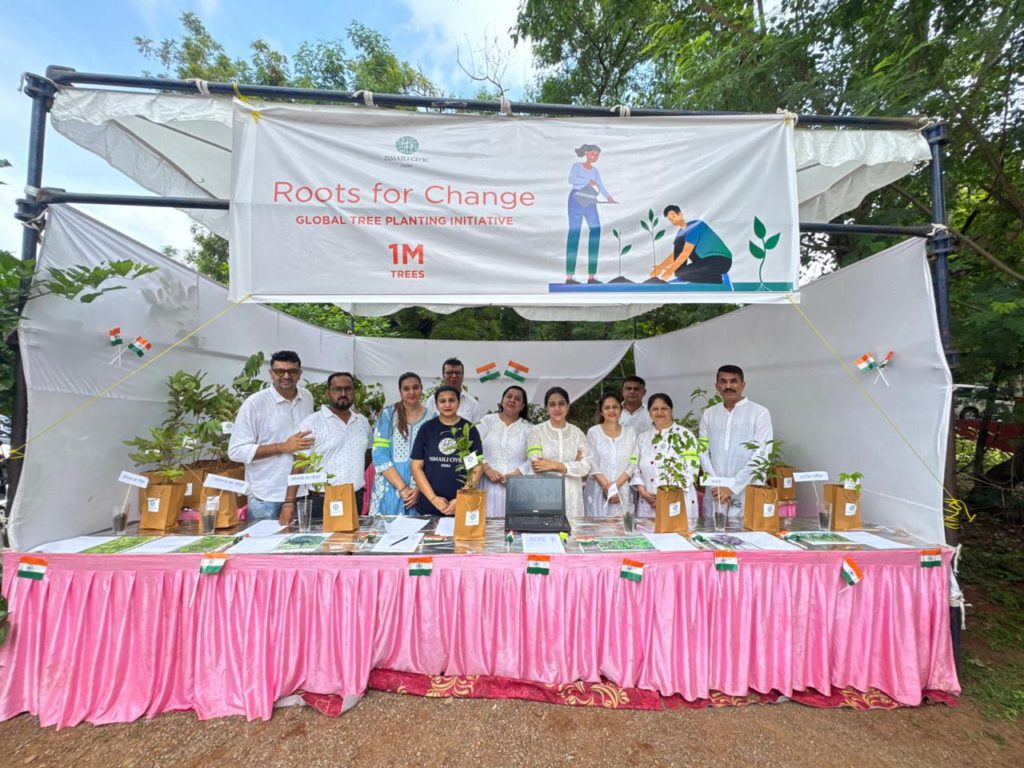
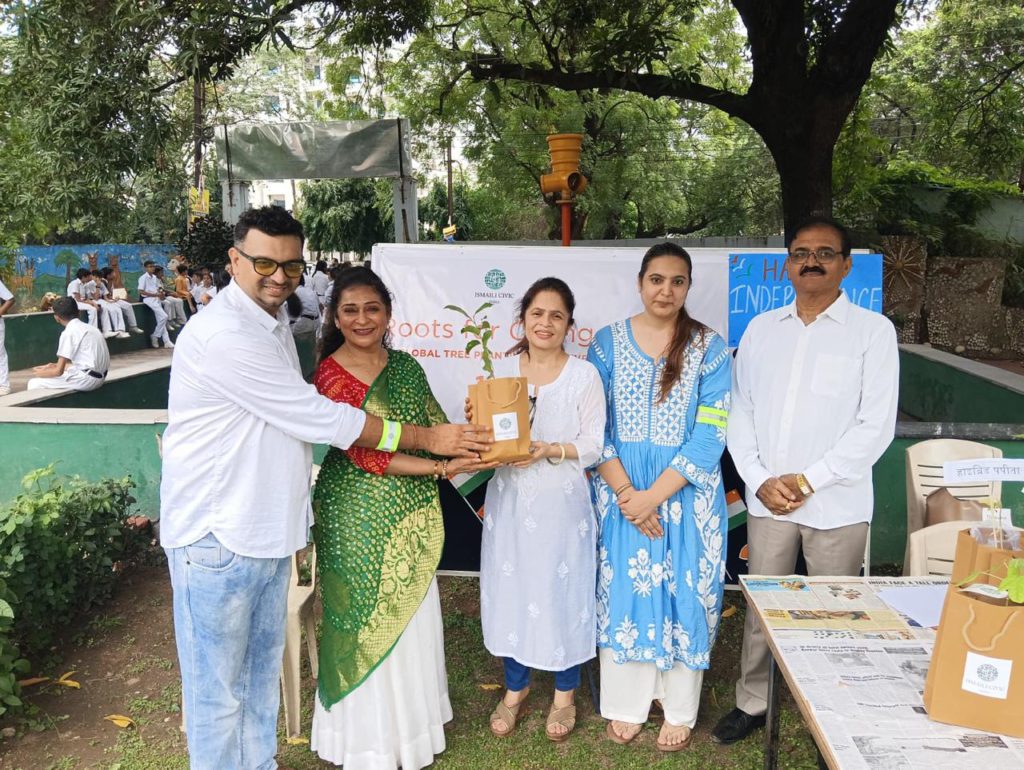
With an aim to enhance environmental sustainability and increase urban green cover, Ismaili
CIVIC planted and distributed a total of 500 saplings including varieties such as guava,
hybrid papaya, custard apple, lemon, mulberry, molishri and jarul.
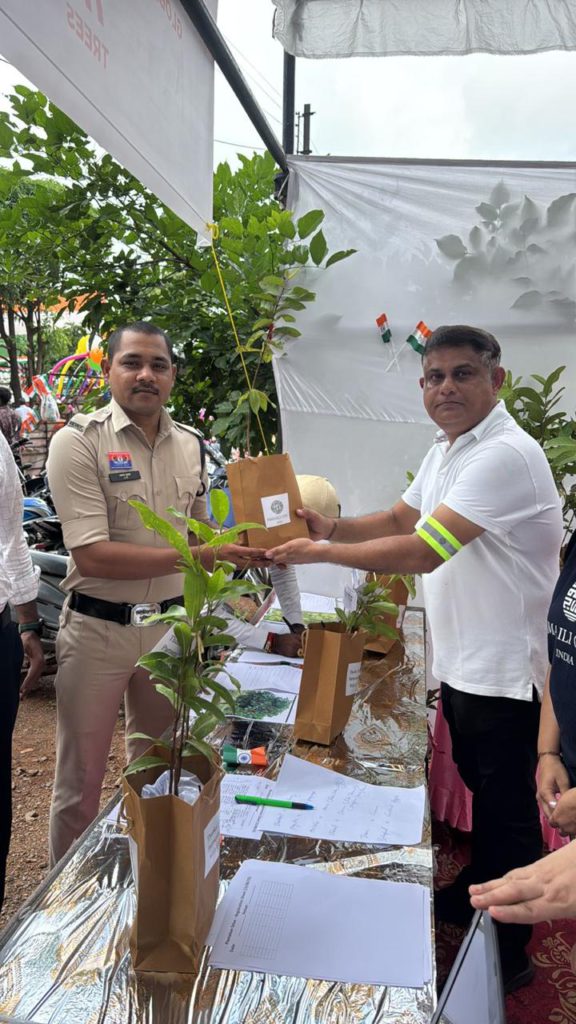
The plantation and distribution was conducted at the Police Ground Independence Day
Parade and Flag hosting event on the occasion of Independence Day . 20 Ismaili CIVIC
volunteers worked whole-heartedly to organize the drive, with the unwavering support of
Chhattisgarh Forest Department and the Chhattisgarh department of Police in attaining the
vision of a greener planet.
Through the power of collective action, the volunteers not only planted trees – they planted
purpose, passion and the promise of a greener tomorrow. Mr Samir Lirani, a volunteer of the
Ismaili community said, “The tree planation drive is not only about greening our surroundings
but also about nurturing a spirit of responsibility and unity within the community. Together
we can grow a healthier more hopeful tomorrow.”
Ismaili CIVIC
Ismaili CIVIC was created as a global initiative to unite the Shia Ismaili Muslim community
around its centuries-old tradition of voluntary service. Its primary aim is to improve the quality
of life in the communities where Ismailis live, regardless of faith, gender, or background. The
program reflects the community’s ethic of civic engagement and good citizenship, rooted in
Islamic values of service, peace, compassion, and care for the vulnerable.
Since its launch in 2020, Ismaili CIVIC initiative has made significant impact in the areas of
health, education, economic development, and environmental stewardship. In collaboration with
over 1,500 partner organizations across 40 countries, 250,000 Ismaili CIVIC volunteers have
collectively engaged in 5,500 activities and dedicated more than 500,000 hours to meaningful
service. Their combined efforts have resulted in the planting of 4.5 million trees, the removal of
213,000 kilograms of waste from beaches and urban areas, and the collection of over 7,000 pints
of blood through organisation of life-saving blood drives.
The Ismaili Community
The Ismaili Muslims are a culturally diverse community living in over 70 countries around the
world. The community adheres to a 1,400 year tradition of Shi’a values that are expressed through
a commitment to a search for knowledge for the betterment of self and society; embracing
pluralism by building bridges of peace and understanding; and generously sharing of one’s time,
talents, and material resources to improve the quality of life of the community and those among
whom they live.
His Highness the Aga Khan
His Highness Prince Rahim Aga Khan V is the 50th hereditary Imam (spiritual leader) of the
Shia Ismaili Muslims, and Chair of the Aga Khan Development Network. He is the eldest son of
His Late Highness Prince Karim Aga Khan and succeeded his father in accordance with historical
Shia Imami Ismaili tradition on 4 February 2025. The Ismaili Imams emphasize the view of
Islam as a thinking, spiritual faith: one that teaches compassion, inclusion and tolerance and that
upholds human dignity.
His Highness worked closely with his late father for over three decades, serving on the boards of
many agencies of the Aga Khan Development Network (AKDN) and has been particularly
concerned with AKDN’s drive to protect the environment and mitigate the effects of climate
change. He has also given sustained attention to the work of AKDN and the Ismaili community
institutions in addressing the needs of those living in the greatest poverty and supporting the
improvement of their livelihoods through education, training and enterprise.
The Aga Khan Development Network
AKDN is a group of private, international, non-denominational agencies working to improve
living conditions and opportunities for people in specific regions of the developing world,
mainly in Asia and Africa.
The Network’s organisations adopt a multi-faceted development approach that aims to help
communities and individuals become self-reliant. The Network’s organisations, 96,000
employees and US $1 billion annual budget support activities that range from health and
education to architecture, rural development and the promotion of private-sector enterprise. They
work in close partnership with public and private institutions, including amongst others,
governments, international organisations, companies, foundations, and universities.