
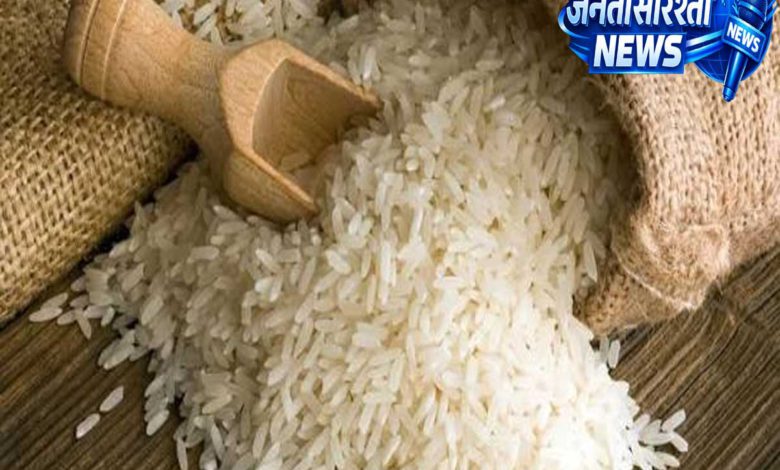
New Delhi : The Central Government has clarified that the use of broken rice for ethanol production will not adversely affect rice prices or food inflation in the country. The government states that only surplus broken rice of a specific category is being used for ethanol manufacturing, ensuring no pressure on the food grains available to general consumers.
This clarification comes at a time when questions were being raised at various levels regarding the use of rice for ethanol production. Some experts had expressed concerns that if a significant portion of food grains were diverted to fuel production, market prices could rise. However, dismissing these apprehensions, the government stated that top priority is being accorded to food security and the requirements of the Public Distribution System (PDS).
Only Surplus Broken Rice Being Used
According to government officials, broken rice—rather than rice meant for general consumption—is being used for ethanol production. This category of rice is typically used for limited food and industrial purposes; therefore, its use will not impact the supply of food grains available in the market.
The government also stated that the country possesses adequate food grain reserves, and raw material for ethanol production is allocated only after meeting essential requirements.
Boost to Ethanol Blending Programme
The Central Government is actively working on a policy to increase ethanol blending in petrol. The objective is to reduce dependence on crude oil imports, provide farmers with opportunities for additional income, and promote eco-friendly fuel.
Under the ethanol blending programme, sugarcane, maize, and other approved agricultural products are used, alongside broken rice in certain circumstances. The government maintains that this entire process is conducted based on established standards and availability.
No Impact on Food Security
The government has assured that the country’s food security system remains fully secure. Surplus stocks are utilized for ethanol production only after ensuring the availability of grain required for the Public Distribution System, welfare schemes for the poor, and other government needs. Experts believe that a balance between the ethanol program and food security can be maintained if raw materials are selected judiciously and food grain stocks are continuously monitored.
Benefits for Farmers and the Energy Sector
The government states that ethanol production increases the likelihood of farmers securing better prices for their crops. Furthermore, the use of biofuels bolsters efforts to reduce pollution and achieve energy self-reliance.
The central government has reiterated that the use of broken rice for ethanol production will not adversely affect food grain availability or prices, and that all necessary monitoring mechanisms are in place.