
Fuel supply disrupted briefly in Andhra Pradesh, HPCL blamed for bunk dry-out
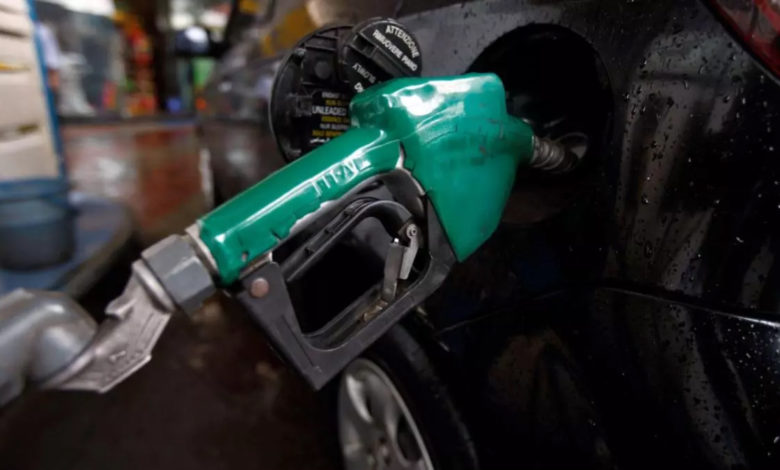
Vijayawada: Petrol and diesel supplies in Andhra Pradesh are partially disrupted, despite the state government’s directive a day earlier to ensure uninterrupted supply to oil marketing companies — HPCL, BPCL, and IOCL.
HPCL is reportedly refusing to supply fuel under various pretexts, causing some fuel bunks to declare a dry-out, causing inconvenience to motorists.
HPCL reportedly refused to supply fuel to a bunk in Bhimavaram, citing the bunk’s demand for more fuel than its normal consumption.
Oil industry sources say that, apart from some fuel bunks being closed due to legal issues, only 15 out of a total of 4,500 fuel bunks across the state have declared a dry-out so far.
Some fuel pumps are displaying “no stock” signs for only a few hours because it takes time for OMCs to receive their fuel supply indents and for oil tankers to reach and fill the underground fuel storage tanks.
Fuel stations reported that OMCs are canceling their fuel indents at the last minute despite receiving advance payments. They said, “They do this without giving any reason, which causes us inconvenience, and we are forced to display “no stock” signs at the fuel pumps.”
Although all three OMCs are supplying fuel to petroleum traders on a credit basis due to the bank holiday from March 27 to 29, IOCL has gone a step further and is giving traders three days’ credit to supply fuel beyond that time. These fuel pumps will operate without interruption.
Meanwhile, petroleum traders have sent a communication to the civil supply authorities, requesting their intervention to ensure regular fuel supply from OMCs.
N Bhaskar Reddy, general manager of AP Oil Industries, said, “OMCs have no fuel shortage and are supplying fuel to traders. However, some OMCs are not accepting indents for fuel supply to traders if there is a demand for higher quantities of fuel, some fuel bunks exceed their normal requirements, or due to payment issues.”
He said that in such cases, their fuel bunks become empty as soon as their existing fuel stock is exhausted.