
Fourth edition of Kalinga Literary Festival successfully concludes in Nepal
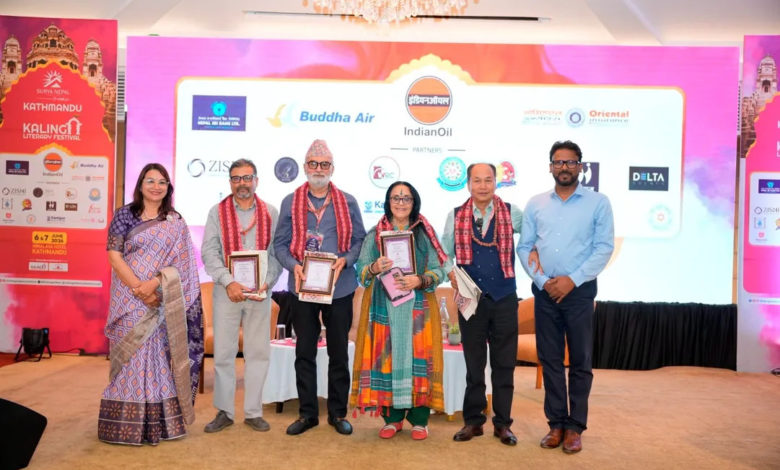
Odisha: The fourth edition of the Kathmandu Kalinga Literary Festival (KLF) concluded successfully after two days of literary, cultural, and intellectual sessions at Hotel Himalaya in Lalitpur, Nepal. The festival played a significant role in fostering dialogue, creativity, and intercultural understanding by bringing together prominent figures from the literary, artistic, and thought worlds of South Asia.
Renowned writers, artists, scholars, thinkers, and cultural experts from various South Asian countries participated in the event. The festival aimed to strengthen regional cooperation and promote shared cultural perspectives. According to the organizers, this platform is an important effort to establish dialogue across borders through literature and art.
The theme of this year’s festival was “Beyond Borders – South Asian Literature in a Changing World: Towards the Imagination of a Shared Future.” The theme focused on South Asia’s rich literary and cultural heritage, and views were shared on the possibilities of regional cooperation in a changing global landscape.
The festival was inaugurated by Sushila Karki, former Chief Justice of Nepal. In the opening session, she emphasized the need to promote dialogue and understanding in society through literature and culture. Various sessions throughout the program included literary discussions, cultural performances, and discussions, with a special focus on regional integration and envisioning a shared future.
A major highlight of the first day of the festival was a special interactive session with Indian actor, writer, poet, and musician Piyush Mishra. Moderated by Yunus Khan, the session was titled “What is your status, Piyush Mishra?” In this conversation, Piyush Mishra shared experiences from his childhood, artistic journey, his passion for theater, struggles, and his autobiography.
His candid and honest conversation deeply resonated with the audience. He shared his thoughts on struggles and freedom of self-expression in the field of art, which were greatly appreciated by the audience. This session was considered a memorable moment of the festival.
Literary discussions, along with cultural presentations and deliberations, provided participants with a rich experience throughout the event. The festival, aimed at strengthening cultural ties and promoting literary dialogue among South Asian countries, succeeded in achieving its objectives.
According to the organizers, such platforms will continue to play a vital role in advancing regional cooperation and cultural understanding in the future. This edition of the Kathmandu Kalinga Literary Festival emerged as an effective medium for the exchange of literature, art, and ideas, further strengthening the sense of shared cultural identity in South Asia.