Fishbone breathes new life into Bhitarkanika mangroves
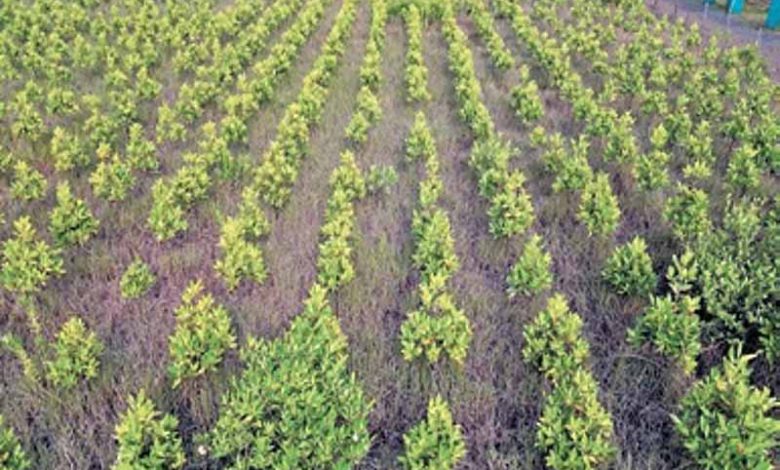
KENDRAPARA: In a major success for the conservation efforts, mangrove forest cover in Bhitarkanika National Park has increased by around 100 hectare in the last four years, thanks to the unique fishbone plantation method used by the Forest department.
The innovative technique for restoring mangrove ecosystems involves creating a network of feeder irrigation channels branching off from a main canal, forming a structure resembling a fishbone. These channels help facilitate the flow of saline tidal water into previously dried-up or degraded coastal land, making the soil suitable for mangrove growth.
Out of 259.06 sq km of mangrove forests across six coastal districts in Odisha, Bhitarkanika in Kendrapara district accounts for the major chunk of 212.69 sq km.
Bhitarkanika assistant conservator of forests (ACF) Manas Kumar Das said, “Fishbone plantation is an eco-friendly restoration technique in which herringbone-patterned channels are dug in degraded, high-salinity tidal mudflats. By mimicking natural tidal creeks, the method improves water circulation, reduces soil salinity and allows nutrients to reach barren areas, enabling rapid regeneration of mangrove forests.”