
Delhi’s air clears up due to rain; conditions best in 11 years.
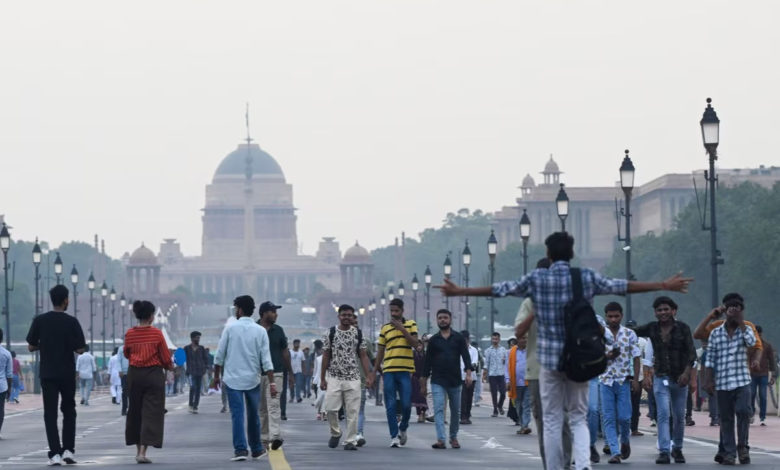
New Delhi. The impact of the good rainfall Delhi has received this year is now clearly visible on both the weather and air quality. Persistent rain and changing weather conditions have significantly cleared the air in the capital. Excluding the year marked by COVID-19 restrictions, the capital has recorded the highest number of days with clean air in the last 11 years. Air quality has improved as rainfall causes dust and pollution particles suspended in the atmosphere to settle down.
Delhi has long grappled with the problem of poor air quality. Pollution levels in the capital’s air tend to spike, particularly during the winter season. Emissions from vehicles, dust from construction activities, industrial operations, and smoke from stubble burning in neighboring regions all affect Delhi’s air. In this context, the rainfall this year has provided natural relief against pollution.
Rain Puts the Brakes on Pollution
Good rainfall in the capital has helped settle the dust and fine pollution particles present in the air. During rainfall, many pollutant particles in the atmosphere are washed down to the ground along with raindrops. Additionally, increased humidity and weather changes following the rain help mitigate the impact of atmospheric pollution.
Winds accompanying the rain have also played a role in improving the capital’s air quality. Increased wind speed prevents pollutant particles from accumulating in one place, thereby reducing their concentration in the atmosphere. This is why Delhi residents are experiencing relatively cleaner air during this rainy spell.
Best Conditions in 11 Years (Excluding the COVID Period)
According to available data, excluding the year affected by COVID-19 restrictions, the number of days with clean air this year is the highest in the last 11 years. Nationwide restrictions during the COVID period had led to a significant reduction in vehicular movement, industrial operations, and other polluting activities, resulting in an extraordinary improvement in Delhi’s air quality at that time. Even as restrictions have eased, maintaining a good record of days with clean air throughout the year remains crucial. Despite the resumption of normal public life and vehicular movement in the capital, air quality is improving due to the rainfall.
Relief for Delhi Residents
The people of Delhi are directly benefiting from the cleaner air. Reduced pollution levels may offer relief in breathing compared to earlier conditions. Improved air quality brings a positive change, especially for those spending time outdoors during the mornings and evenings.
Air pollution in Delhi affects not only the environment but also the daily lives of its residents. Rising pollution levels can lead to issues such as eye irritation, throat discomfort, and breathing difficulties. In this context, the improvement in air quality due to rain comes as welcome news for the capital.
Pollution May Rise Again in Winter
However, despite the current clean air resulting from the rain, the challenge of pollution facing Delhi has not been fully eliminated. Conditions could shift as the weather changes. Pollution levels in the capital are likely to rise, particularly as rainfall decreases after the monsoon and winter sets in.
During winter, lower wind speeds and increased atmospheric humidity can cause pollutant particles to linger in the air for extended periods. Additionally, Delhi’s air quality is impacted by factors such as stubble burning in neighboring states, vehicular emissions, construction activities, and local sources of pollution.
Therefore, it will be important for experts and environmentalists to monitor air quality levels once the rainy season concludes. While rain has played a significant role in curbing pollution for now, controlling permanent sources of pollution will be essential to ensure clean air in the long run.
Significant Relief Through Natural Means
The substantial rainfall in Delhi this year has once again demonstrated how weather conditions can influence air quality. The rain has cleared the capital’s air by washing away dust and pollutant particles from the atmosphere and improving wind conditions. Setting aside the extraordinary year marked by COVID-19 restrictions, the fact that the capital has recorded the highest number of days with clean air in 11 years is a welcome sign. However, relying solely on rainfall will not be enough to make this improvement permanent.
Sustained efforts are required to address the primary sources of pollution in Delhi. Measures such as reducing vehicular emissions, controlling dust from construction sites, curbing waste burning, and mitigating pollution drifting in from neighboring areas can help improve air quality in the long run.
For now, Delhi’s air is relatively clean thanks to good rainfall, offering residents some relief from pollution. The significance of this improvement is underscored by the fact that, excluding the pandemic-restricted year, this year has seen the highest number of clean-air days in the last 11 years. The focus will now shift to how clean the air remains after the monsoon season ends and how effective the measures taken to control pollution prove to be.