Babbar Akali Movement: Sikh men who roared against the British
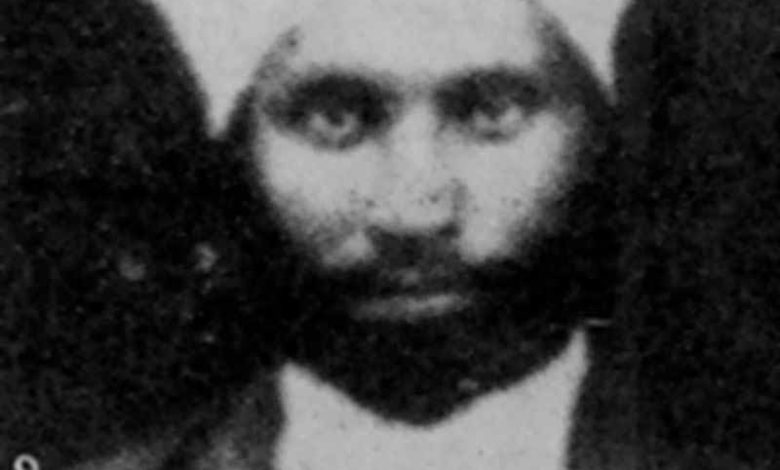
Punjab: “Chhu kar az hamha heelate dar guzaast, halal ast burdan ba shamshir dast!” (When all other methods are exhausted, it is right to draw the sword). Swinging his kirpan on stage and chanting these Persian couplets—written by the 10th Sikh Guru, Guru Gobind Singh, in his “Zafarnama” (a declaration of the Khalsa’s undying spirit to Aurangzeb, even after the Guru lost two of his sons and many Sikhs in the Battle of Chamkaur)—Jathedar Kishan Singh Gargaj would begin his speeches to the raging crowds of 1920s Punjab, seething with anger against the British Raj. His fiery speeches earned him the title “Gargaj” (The Thunderer). Jathedar Kishan Singh Gargaj, along with Master Mota Singh, was the founder and biggest supporter of the Babbar Akali Movement. This movement brought together disillusioned Sikhs, Ghadarites, army personnel, and the oppressed peasants of the state into a movement that even the British found difficult to control. The year 2026 is being celebrated as the centenary of the Babbar Akali Movement.
The Babbar (meaning lion) Akali Movement was an offshoot of the Gurdwara Reform Movement, which developed its own distinct form and ideology. In contrast to the Gurdwara Reform Movement’s peaceful and non-violent methods, the Babbar Akalis believed in armed struggle and, despite the massacres and tragic events of the time, ignored formal political party lines or policies of non-violence. Following the Jallianwala Bagh massacre of 1919, the atrocities at ‘Saka Nankana Sahib’ (February 1921), the Guru Ka Bagh Morcha (1922), and the plight of Punjab’s peasants became the immediate triggers for this movement. Due to the British government’s oppression, persecution, and arrest of countless Sikh leaders to suppress this rebellion, six prominent leaders of the Babbar Akali movement were sentenced to death in Lahore Central Jail on February 27, 1926. These six leaders were Jathedar Kishan Singh Gargaj, Shaheed Nand Singh, Babu Santa Singh, Shaheed Dalip Singh, Shaheed Dharam Singh, and Shaheed Karam Singh.
This year, the centenary of the deaths of these six leaders is being commemorated in villages across Punjab, memorial organizations, and among the people living abroad. The centenary celebrations were also held on February 27 at the Desh Bhagat Yadgar Hall in Jalandhar, with a conference led by Committee President Kulwant Singh Sandhu, General Secretary Gurmeet Singh, and Cultural Wing Convener Amolak Singh. Historian and renowned Ghadarite scholar Chiranji Lal Kangniwal says, “After the Saka Nankana Sahib, Jathedar Kishan Singh Gargaj, who was in the army at the time, delivered a fiery speech at the army gurdwara, warning his fellow army men of the British government’s machinations. When officers became aware of this, court-martial proceedings were initiated, and he resigned. The Babbar Akali Movement formally began at the 13th Sikh Educational Conference in Hoshiarpur from March 25 to 27, 1921. It was here that some leaders appealed to abandon the path of peace and kill those responsible for the Saka Nankana Sahib—British officer CM King, the Commissioner of Lahore; Mr. Bowring, Mahant Seva Das, Mahant Narayan Das, S. Sundar Singh Majitha, and Kartar Singh Bedi.”
Word spread, and thus began the 1921 Akali Conspiracy Case against 25 people. Warrants were issued against Jathedar Gargaj and Master Mota Singh. The arrest of Master Mota Singh on June 16, 1922, further fueled anger. The groups assembled by Gargaj were already known as “Chakravarti Jathas,” but with the publication of the first edition of the newspaper “Babbar Akali Doaba” by Karam Singh on August 20, 1922, the movement received its formal name, and the groups came to be known as “Babbar Akali Jathas.” Although the main activities of the Babbar Akalis were centered around Doaba, Amolak Singh, author and convener of the cultural wing of the Desh Bhagat Yadgar Hall, said, “The chapter associated with the Babbar Akalis is a glorious part of Punjab’s history, and the sacrifices made by our great ancestors should not be forgotten. The Yadgar Committee is also reaching out to countless villages across Punjab with Babbar Akali history—such as Chak Kalan, Binga, Kaulgarh, Daulatpur, Jhingar, Madhali, Patara, Pandori Nijran, Ghuriyal, Mander, Bahowal, Kot Fatuhi, Jassowal, Sahadra, Langeri, Dhugga, Pandori Manga Singh, Nangal Kalan, Rakkad Bet, and Fatehpur Kothiyan, among others.” This year’s Mela Gadri Babeyan Da will also pay tribute to the Babbar Akali movement.