
A major blow from inflation ahead of Diwali: everything from sugar and gram flour (besan) to cashews and almonds has become more expensive.
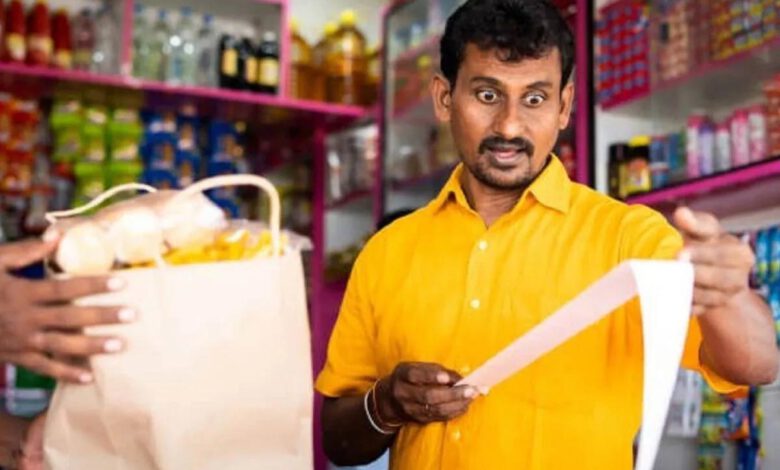
Jharkhand: Before Diwali, the burden of inflation on the pockets of common people has started increasing. The prices of food items used in making sweets, namkeen and other dishes for the festival have increased in the last one month. Many essential food items including sugar, gram flour, flour, semolina, flour, gram and arhar dal have become expensive. Along with this, the prices of dry fruits like cashews, almonds and pistachios have also increased. This is likely to have a direct impact on the household budget as well as the costs of sweet shopkeepers and gift pack manufacturing companies. On the occasion of festivals, where people prepare various dishes in their homes, the crowd of customers also increases at the sweet shops. In such a situation, the sweetness of Diwali may become expensive this time due to increase in the prices of essential commodities.
According to information received from the local market, the prices of many major ingredients used in making sweets have increased between September and October. Juveen Thakkar, operator of Raghuvanshi store located on Main Road, said that sugar which was sold at Rs 58 per kg in September, has now become Rs 66 per kg. This means that in just one month the price of sugar has increased by Rs 8 per kg. Sugar is used in making almost every type of sweets and sweet dishes. Therefore, increase in its price may affect the costs of domestic consumers as well as confectioners and sweets traders.
The prices of gram flour have also increased significantly. Gram flour, which was earlier available at Rs 100 per kg, is now being sold at Rs 115 per kg. In this way, gram flour has become costlier by Rs 15 per kg in a month. Gram flour is used in making laddu, barfi, sev, namkeen and many other traditional dishes. There is a possibility of demand for gram flour increasing during Diwali. In such a situation, the rise in its prices can become a matter of concern for shopkeepers.
Flour and semolina have also not remained untouched by inflation. Flour, which was sold at Rs 55 per kg in September, has now become Rs 60 per kg. Similarly, the price of semolina has increased from Rs 60 to Rs 65 per kg. An increase of Rs 5 per kg has been recorded in both these materials. Flour and semolina are used in Gujhiya, Shakkarpare, Namkeen, Halwa and other traditional dishes.
The increase in prices of everyday essential food items like flour, gram and arhar dal can also affect the monthly budget of families. While people already have to take care of regular household expenses, additional purchases during festivals increase the expenses further. In such a situation, the increase in cost of many food items at once has become a double challenge for the consumers.
The prices of pulses and gram have also increased in Ranchi markets. The price of arhar dal has increased from Rs 130 to Rs 150 per kg. The price of gram dal has increased from Rs 95 to Rs 105 and the price of common gram has increased from Rs 90 to Rs 100 per kg. Kabuli gram is also being sold at Rs 120 per kg, up from Rs 100. An increase of Rs 10 per kg has been recorded in the price of Sattu. There has been an increase of three to ten rupees per kg in different varieties of rice.
The prices of ghee and oil used to make sweets during festivals have also increased. According to market reports, the price of ghee has increased from Rs 700 to Rs 740 per kg. Mustard oil, refined and butter have also become costlier than before. This is likely to increase the production cost of businessmen preparing sweets and snacks.
The rise in the prices of dry fruits has further increased the concern of consumers. The price of cashew nuts and almonds has increased from Rs 1100 to Rs 1300 per kg. Mamra almonds have increased from Rs 4200 to Rs 4400 per kg. The highest increase has been recorded in plain pistachio. Its price has increased from Rs 2800 to Rs 3500 per kg. That means pistachios have become costlier by Rs 700 per kg in a month. The price of second type of pistachio has increased from Rs 1750 to Rs 1900 per kg. Dates are also being sold at Rs 300 to Rs 350 per kg. However, the price of raisins is said to be stable at around Rs 520 per kg.
On the occasion of Diwali, the demand for gift packs of dry fruits increases significantly. Companies give gifts of cashews, almonds, pistachios and other dry fruits to their employees, customers and business associates. This time due to increase in prices the cost of preparing such packs may increase. Companies can adopt options like reducing the weight of the pack or increasing the price according to their budget.
Sweet traders also face the challenge of striking a balance between cost and selling price. The simultaneous rise in prices of sugar, gram flour, flour, semolina, ghee and dry fruits may affect the cost of Kaju Katli, Gram Flour Laddu, Barfi, Gujhiya and other sweets. However, how much the final selling price of sweets will increase at shops will depend on the decisions of individual traders.
Families preparing for festive shopping may also have to increase their budget. Expenses may increase, especially for families who make sweets and snacks in large quantities. This price trend in the market may also affect the purchasing patterns of customers in the coming days.
At present, the inflation of food items and dry fruits before Diwali has increased the concern of domestic consumers as well as shopkeepers. What level the prices will reach amid increasing demand in the market will become clear in the coming days. These rates are based on local market reports of Ranchi and vary from shop to shop and city.