
Farmers in Tamil Nadu await relief scheme
Chennai: Mango growers in Tamil Nadu had hoped for relief under the state and central governments’ Market Intervention Scheme (MIS); however, thousands of farmers remain deprived of this assistance due to delays in issuing the official notification. Despite the government sanctioning ₹38 crore in aid for mango farmers across eight districts, frustration is mounting among them as they have failed to receive the scheme’s benefits in a timely manner.
Tamil Nadu is one of the country’s leading mango-producing states, with mango cultivation spanning approximately 1.25 lakh hectares. Varieties grown here include Imam Pasand, Kalapadi, Banganapalli (Chapattai), Senthuram (Palamanai), Kallamai (Thottapuri), Kasa (Neelam), Chakrakutti, Kuttus, Salem Kundu, Mulgoa, Alphonso, Mallika, and Neelisa. Many of these varieties are renowned in both domestic and export markets.
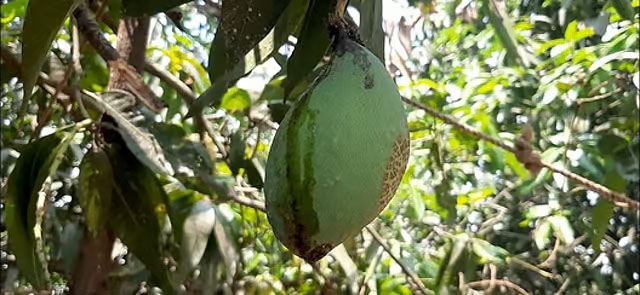
While most table mango varieties are fetching satisfactory market prices this year, the situation remains concerning for farmers growing the Kallamai (Thottapuri) variety. This variety is primarily used by industrial units to manufacture mango pulp, juice, jam, and other processed products. Farmers state that they have not received a fair price for this variety for several years, often failing to even recover their production costs.
According to agricultural experts, the price of Thottapuri mangoes depends entirely on demand from the processing industry. Prices plummet when industrial procurement is low or when there is a market glut. This directly impacts farmers’ incomes; often, they are compelled to sell their produce at prices lower than the cost of production.
In light of this issue, the government had sanctioned ₹38 crore in aid for farmers across eight districts under the Market Intervention Scheme (MIS). The objective of this scheme is to provide farmers with minimum price support in the event of a sharp decline in market prices, thereby protecting them from financial loss. However, farmers are unable to avail themselves of this relief because the notification required to implement the scheme has not been issued on time.
Farmers’ organizations point out that the mango season is of limited duration; once the fruit is ready, it cannot be kept in the orchards for long. Consequently, if the assistance scheme is not implemented promptly, any relief provided later loses its significance. Farmers argue that the government’s announcement will only be effective if the financial assistance is made available during the actual period of mango sales.
Farmers in several mango-growing districts of Tamil Nadu have reported that the price of the ‘Thottapuri’ variety has been under constant pressure for the past few years. While production costs—including labor, fertilizers, irrigation, transportation, and orchard maintenance—have steadily risen, market prices have not increased proportionately. As a result, farmers’ profits are shrinking, and many orchard owners are facing a financial crisis.
Agricultural economists believe that the Market Intervention Scheme is designed precisely to safeguard farmers during such times. When market prices fall below production costs, the government intervenes to provide relief. However, delays in administrative procedures undermine the very purpose of the scheme.
Farmers’ organizations have urged the state government to expedite the notification process so that the approved assistance of ₹38 crore can reach the farmers quickly. They warn that without timely relief, many small and marginal farmers could be crushed under the burden of debt. They have also demanded that, in the future, the implementation process for such schemes be made time-bound alongside their announcement.
Experts also suggest formulating a long-term policy for processing-grade varieties like Thottapuri. Measures should be developed to incentivize mango processing industries in the state, boost exports, and establish direct links between farmers and industries, thereby reducing their exposure to market volatility. Additionally, promoting collective marketing through Farmer Producer Organizations (FPOs) could also enable farmers to secure better prices.
The state government maintains that safeguarding the interests of farmers is a priority and efforts are underway to complete the necessary procedural formalities for the scheme. According to officials, once the notification is issued, eligible farmers will receive assistance in accordance with the prescribed criteria.
For now, mango growers in Tamil Nadu are awaiting the government’s next move. They state that while the announcement of relief funds is welcome, the actual benefit will only be realized if the aid reaches them in a timely manner. Farmers hope that the government will soon issue the notification to implement the Market Intervention Scheme, thereby providing financial relief—particularly to Thottapuri mango growers—and ensuring they receive a fair price for their produce.