
The Strait of Hormuz crisis has triggered an energy emergency in Asia.
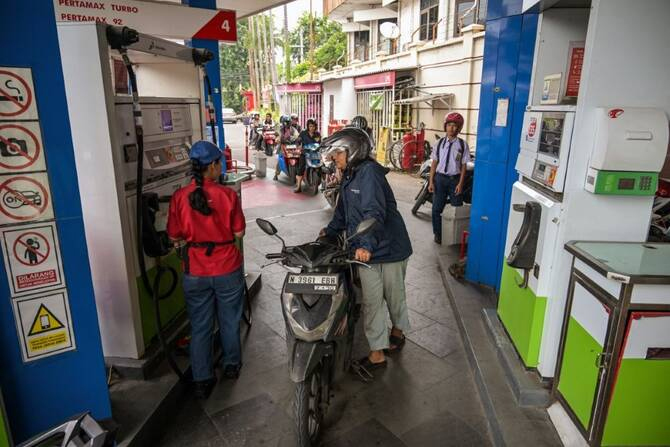
Jakarta: Several Asian countries are implementing or planning to implement measures similar to their COVID-19 response strategies as they try to mitigate the energy crisis caused by fuel shortages due to the US-Israeli war on Iran.
In many Asian countries dependent on oil imports, economic activity has come to a screeching halt since the February 28 attacks, which closed the Strait of Hormuz – a crucial chokepoint through which approximately 80 percent of crude oil and liquefied natural gas bound for Asian markets passes.
In the Philippines, where government estimates indicate only 45 days of fuel remaining, the president declared a nationwide state of emergency this week as the situation was beginning to “threaten the country’s energy security.”
The state of emergency allows the government to bypass normal procedures when responding to the fallout from the Iran war and “implement responsive and coordinated measures under existing laws to address the risks.”
As the impact has already been felt on households and businesses across the country, the government has provided cash assistance to public transport workers to help them cope with rising fuel prices and has introduced a four-day working week in the public sector.
Pakistan also announced remote work for half of its public sector employees earlier this month and closed schools for two weeks to save energy.
In Sri Lanka, midweek holidays were introduced last week for those working in education, administration, and public transport, with the government encouraging the private sector to do the same and cushion the initial shock from the situation in the Middle East.
In Laos, Vietnam, and Thailand, these measures are reminiscent of the pandemic, where officials are emphasizing a return to online work to reduce energy consumption.
In Indonesia, the government is also considering a work-from-home policy, which it estimates could reduce fuel consumption by up to 20 percent. Chief Economic Affairs Minister Airlangga Hartarto told reporters, “With the rise in fuel prices, we need to be more flexible with working hours. We will introduce work-from-home flexibility for one day out of five working days.”
“We are preparing to implement this, as we hope this approach will be adopted not only by civil servants but also by private employees and regional governments.”
However, unlike the pandemic, this situation offers the potential to increase the use of public transport in major Asian cities like Jakarta, Manila, or Bangkok, which are plagued by traffic congestion and vehicle emissions.
Economist Nailul Huda of the Center for Economic and Law Studies in Jakarta said, “(Governments) should accelerate the energy transition from fossil fuels to new and renewable energy… (and) require officials and civil servants to use public transport, such as buses or trains, to get to work.”
“This will not disrupt public services and will actually save money.”