
Nalco Accelerates Green Energy Drive With 200–300 MW Renewable Push
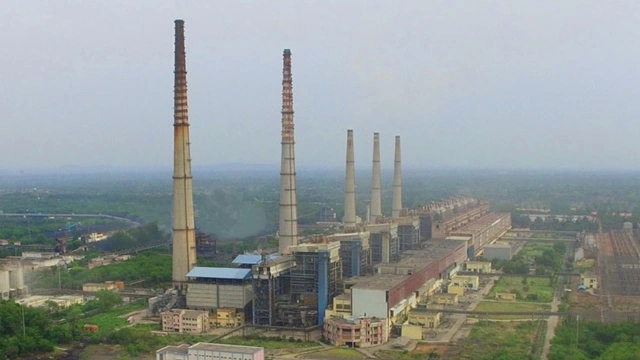
India’s aluminium major National Aluminium Company Limited (NALCO) is assessing the addition of 200–300 MW of renewable power capacity, supported by battery energy storage, as part of its longer-term transition towards lower-emission aluminium production, people familiar with the development said.
The move comes amid rising pressure on energy-intensive metal producers to cut dependence on coal-based captive power, which accounts for a large share of operational emissions. At present, power generation contributes nearly 80 per cent of Nalco’s overall carbon footprint, making energy transition central to its decarbonisation strategy.
Industry officials indicate that the company is examining a mix of power purchase agreements, captive renewable installations, and storage-backed supply models to ensure stable electricity for continuous smelting operations. Battery storage is being considered essential to manage variability in solar and wind generation, given aluminium smelters’ need for uninterrupted power.
Cost remains a key constraint. Coal-based electricity continues to be cheaper, while renewable energy combined with storage carries a higher tariff burden, prompting Nalco to focus on phased adoption rather than an immediate shift.
The renewable power plan aligns with Nalco’s broader expansion roadmap, which includes smelter capacity enhancement, alumina refinery expansion, and development of bauxite resources in Odisha, even as global markets increasingly demand green aluminium with a lower carbon footprint.