
Amritsar: Wood-carved ‘chhajjas’ reflect the city’s past
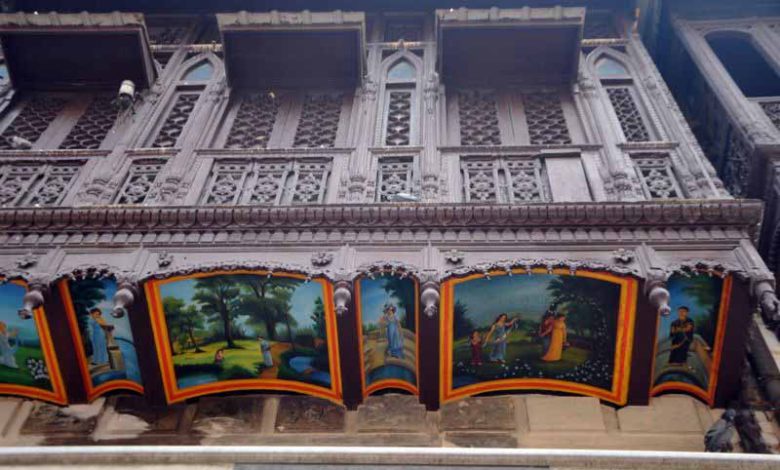
Punjab: Once a hallmark of Amritsar’s cityscape, a symbol of wealth and cultural pride, the carved wooden balconies, or “chhajjas,” are now fading away. These overhanging balconies, supported by decorative brackets, were not just functional fixtures that provided shade and rain protection, but also platforms for artistic expression that showcased a home’s social status. Despite the increasing influence of European architectural styles in the early 20th century, the love for “chhajjas” remained undiminished. Owners of larger homes—including “havelis”—continued to incorporate them into their buildings, often combining local craftsmanship with British-era architectural elements. As a result, many buildings in the walled city today display a unique blend of local and colonial styles. A prime example can still be seen near the Guru’s Palace, where an old building bears testimony to this culturally rich fusion. Some of the “chhajjas” had paintings depicting scenes from mythology and folklore beneath them. Such balconies still exist in Katra Ahluwalia today. Sadly, many of these historic buildings now lie neglected. Residents and heritage enthusiasts in the area have expressed concern over the lack of serious efforts to preserve Amritsar’s architectural heritage. Resident Charanjit Singh Gumtala said that some historic “havelis” still exist, but their condition is rapidly deteriorating. He said that these buildings should be protected, and the Heritage Board should take a serious approach to preserving the old monuments. Another resident, Rahul, stressed the need for a dedicated authority to protect and plan the development of the city’s historic areas. He suggested the creation of an “Amritsar Walled City Authority,” similar to the Lahore Walled City Authority, with the goal of achieving a smart heritage transformation of the entire city.