
Why is Haryana issuing unique IDs to farmers?
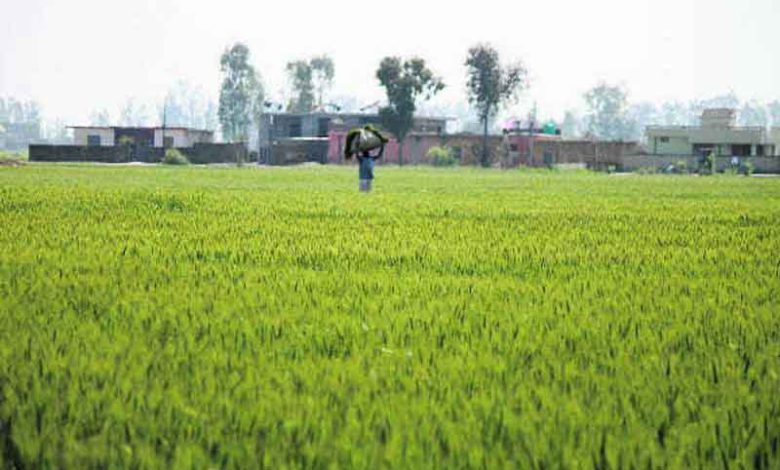
The Department of Agriculture and Farmers Welfare, in collaboration with the Revenue Department, is working on creating unique farmer IDs under the central government’s Agri Stack initiative. This is a platform aimed at digitizing agriculture, improving service delivery, and ensuring that farmers receive government benefits in a more efficient, transparent, and targeted manner.
What is Agri Stack?
Agri Stack is a digital platform of the central government that aims to bring together various stakeholders in the agricultural ecosystem—farmers, government departments, financial institutions, agri-tech companies, service providers, and others—under a single framework.
The platform is designed to provide data-driven services using digital tools, improve policy planning, and enhance farmers’ access to government schemes and benefits.
Why is a Unique Farmer ID needed?
According to officials, currently, farmer data is scattered across multiple portals and departments, often leading to overlaps, duplication, delays, and errors in benefit delivery. A unique farmer ID will serve as a single, verified digital identity for each farmer, linking land records, personal information, and scheme eligibility.
This initiative aims to reduce confusion, prevent duplication of beneficiaries, and ensure that benefits reach the right farmers without unnecessary delays.
The farmer ID is designed to be universal and long-lasting, serving as a common identifier across multiple schemes, departments, and services.
In the future, various benefits such as subsidies, income support, crop-related advisories, and certain revenue services can be linked to this single ID.
Officials claimed that this move was a step towards modernizing agriculture, strengthening governance, and ensuring that farmers receive benefits through a single digital identity.
How many farmers have been registered so far?
According to official figures, out of 20,35,496 farmers registered on the PM-KISAN portal, 41,139 farmers had been registered on the Agri Stack platform as of Friday (December 26). The registration drive is currently in its initial stages and is expected to gain momentum as awareness spreads and more camps are organized at the village level.
Which districts are leading in farmer ID registration?
The top five districts on the platform are Mahendragarh, Karnal, Rewari, Nuh, and Kurukshetra. Officials attribute this success to proactive implementation at the district level, enhanced awareness efforts, and effective coordination between agriculture and revenue officials in these districts. How is the registration process being implemented on the ground?
To ensure maximum farmer participation, the government has adopted a camp-based, village-level approach. Camps are being organized daily across the state to facilitate on-the-spot registration, record verification, and awareness sessions explaining the benefits of the farmer ID.
What role do the Agriculture and Revenue Departments play in this process?
For seamless implementation, officials from both the Agriculture and Revenue Departments have been deployed on the ground. Agriculture officials handle the task of mobilizing farmers and collecting data, while the Revenue Department verifies land records. The authentication and verification of land ownership data are carried out by the concerned Patwari (village accountant), ensuring accuracy and authenticity.
Why is land record verification necessary for the farmer ID?
Land information is a crucial part of a farmer’s profile. Linking verified land records with a farmer’s personal information ensures that land ownership or farming-related benefits reach the correct beneficiary. This process is expected to reduce disputes, eliminate fraudulent or duplicate entries, and prevent leakages in government schemes.